Table of Contents
Introduction
When was the last time you felt your heart skip a beat after a trailer reveal? That electric tug—“I can’t wait to play that”—is what 2026 is promising to deliver, in spades. With several long-awaited sequels, surprising new IPs, and massive exclusives lined up, next year might just be a landmark in gaming history.
Think of 2026 as a festival of expectations. Every reveal is firework — some will fizzle, others will shine. But before the year begins, let’s pause and look ahead. Here are the top 10 most anticipated games of 2026—from bold new experiments to franchise returns—and why they matter.
1. Grand Theft Auto VI
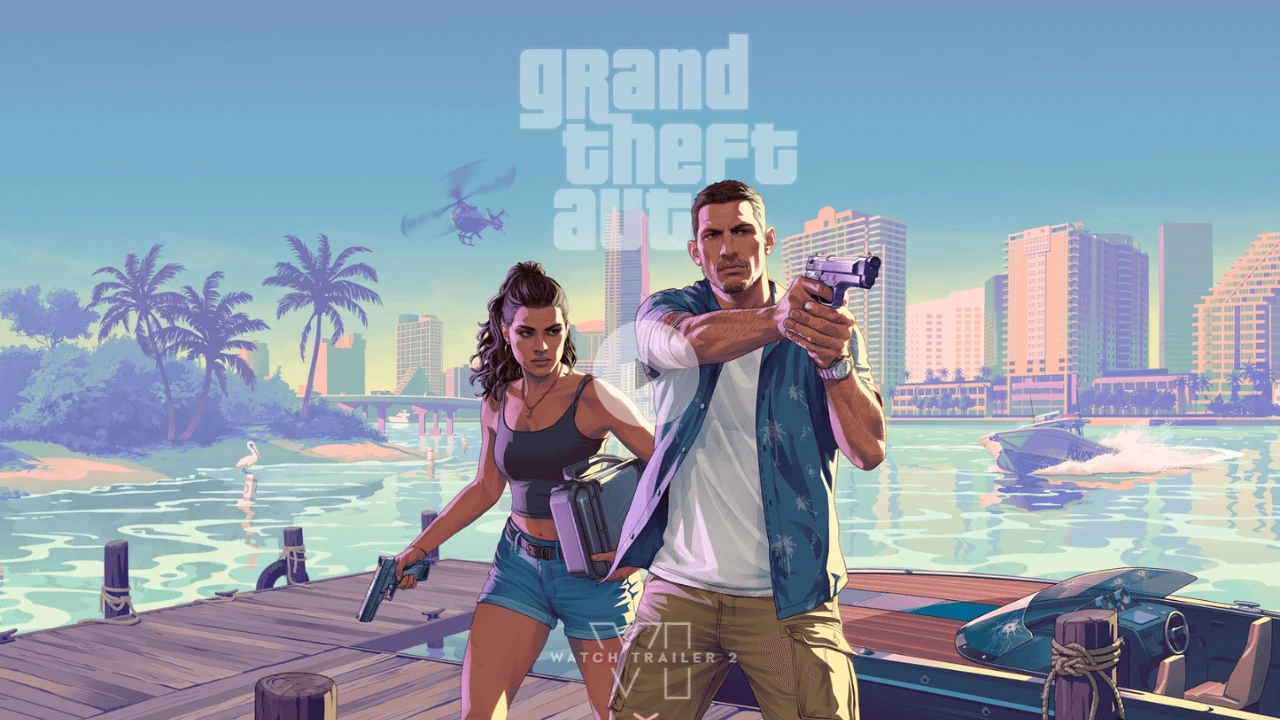
Why it’s on everyone’s radar.
There hasn’t been a blockbuster quite like this in years. Rockstar’s silence over the past decade has only amplified anticipation. GTA VI isn’t just a sequel—it’s the torchbearer for sandbox open-world design. Rumors about multiple protagonists, richer storytelling, and cutting-edge simulation systems swirl around it.
If GTA V was a skyscraper of design ambition, GTA VI wants to be the whole skyline.
2. Resident Evil Requiem
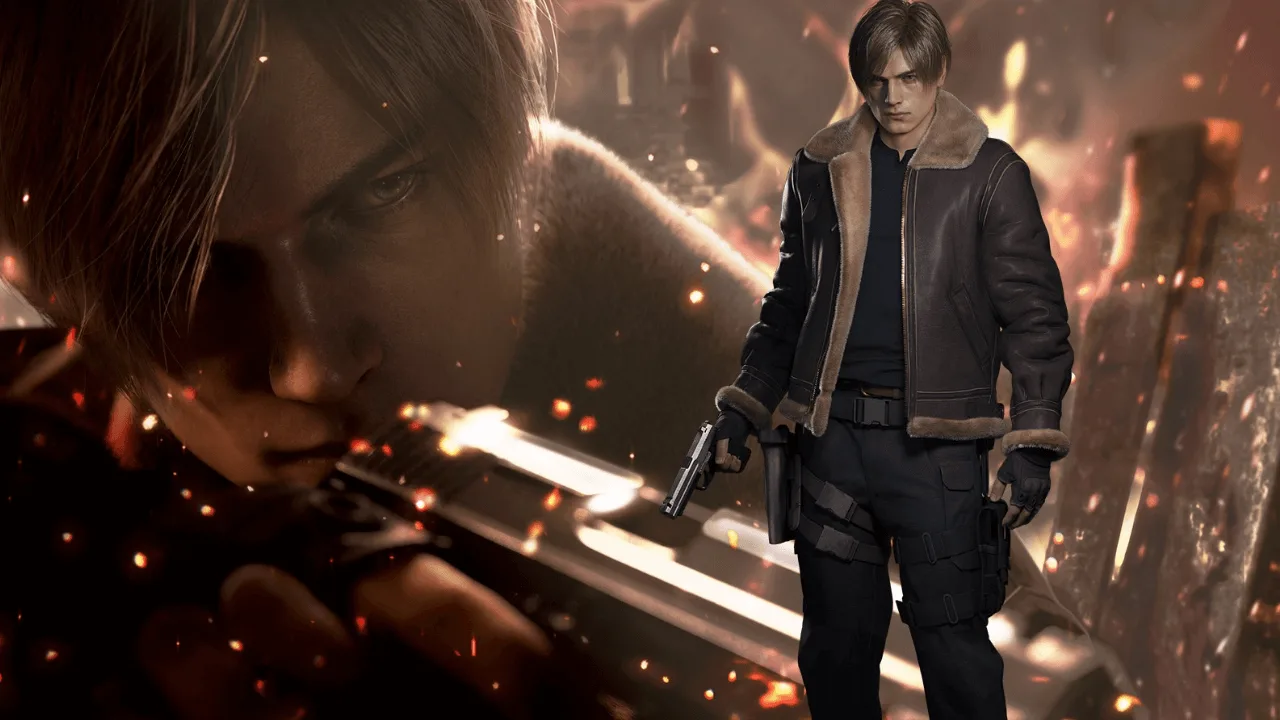
Horror reinvented — again.
Capcom is reimagining its horror template: Requiem allows players to switch between first- and third-person on the fly, an evolution from fixed-camera and rigid POVs of the past.
They’re banking on nostalgia and innovation: haunted hotels, viral outbreaks, psychological dread. For fans who have traced every corner of Raccoon City’s lore, Requiem is a return—and a reinvention.
If you’ve ever felt your heart pound in the dark, this is what it’s chasing.
3. Crimson Desert
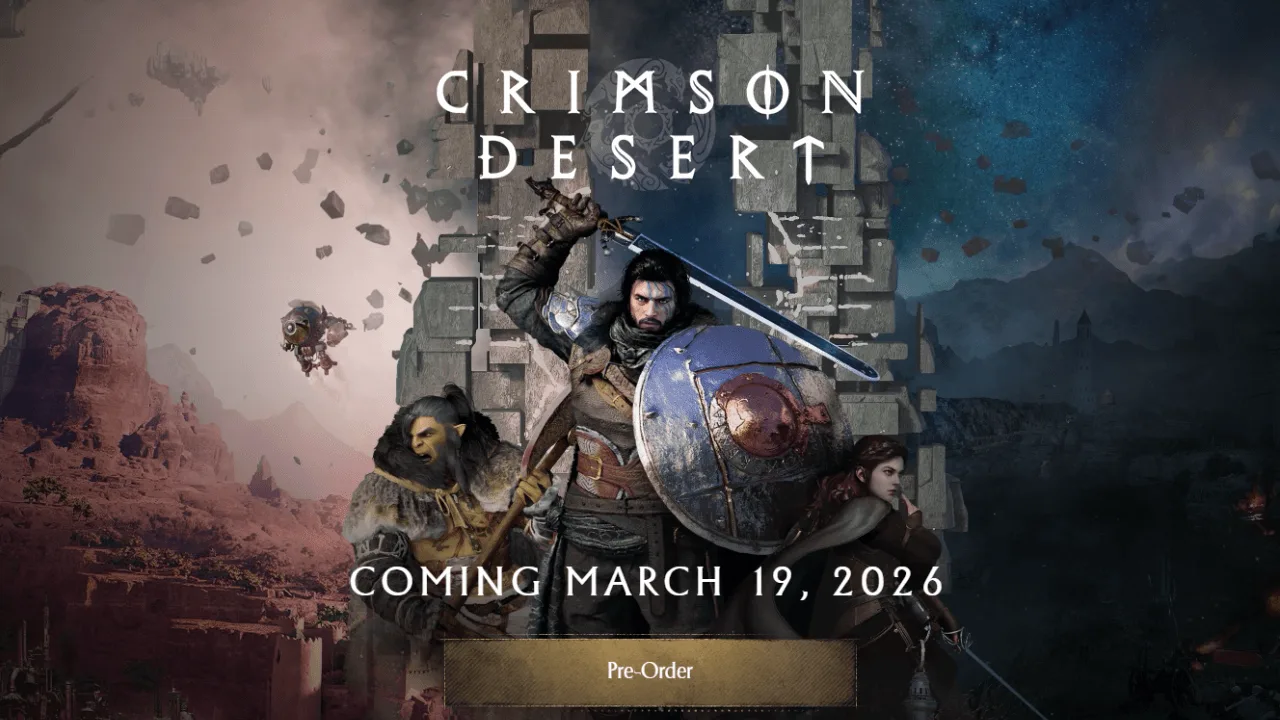
From MMO legacy to blockbuster solo epic.
Pearl Abyss’s Crimson Desert is their attempt to evolve past Black Desert Online. Scheduled for March 19, 2026, it’s an action-adventure blending sweeping landscapes and cinematic set pieces.
What’s interesting: it might tangle narrative and action in unexpected ways. If online swords-and-sand worlds were a concert, this is their solo acoustic set—stripping back to story, letting characters breathe.
4. Saros
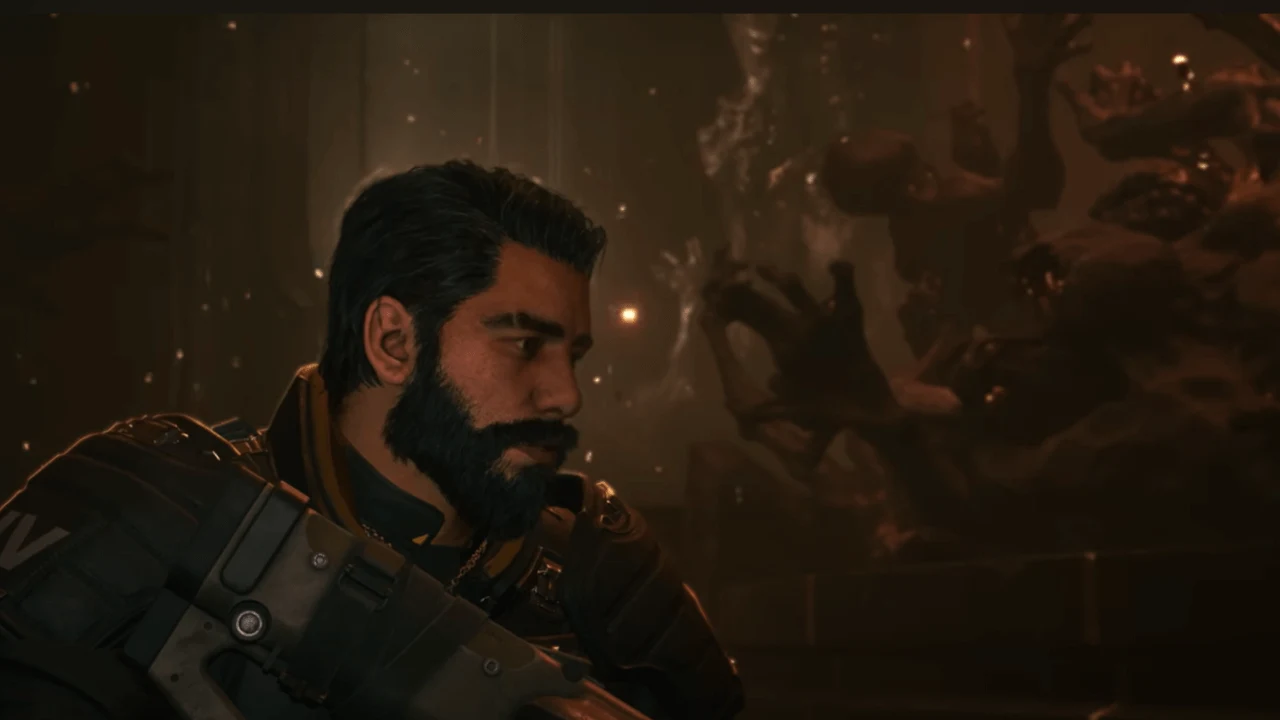
Indie bones, AAA promise.
Developed by Housemarque and publishing via Sony, Saros is a third-person action game where each death lets you carry progress forward on subsequent playthroughs.
Imagine roguelite mechanics married to high-fidelity action design. It’s like tearing down your tower of blocks, but each time you rebuild, you get a bit stronger.
For people who love iterations and mastery, Saros could be addictive in hours and echoes.
5. Pragmata
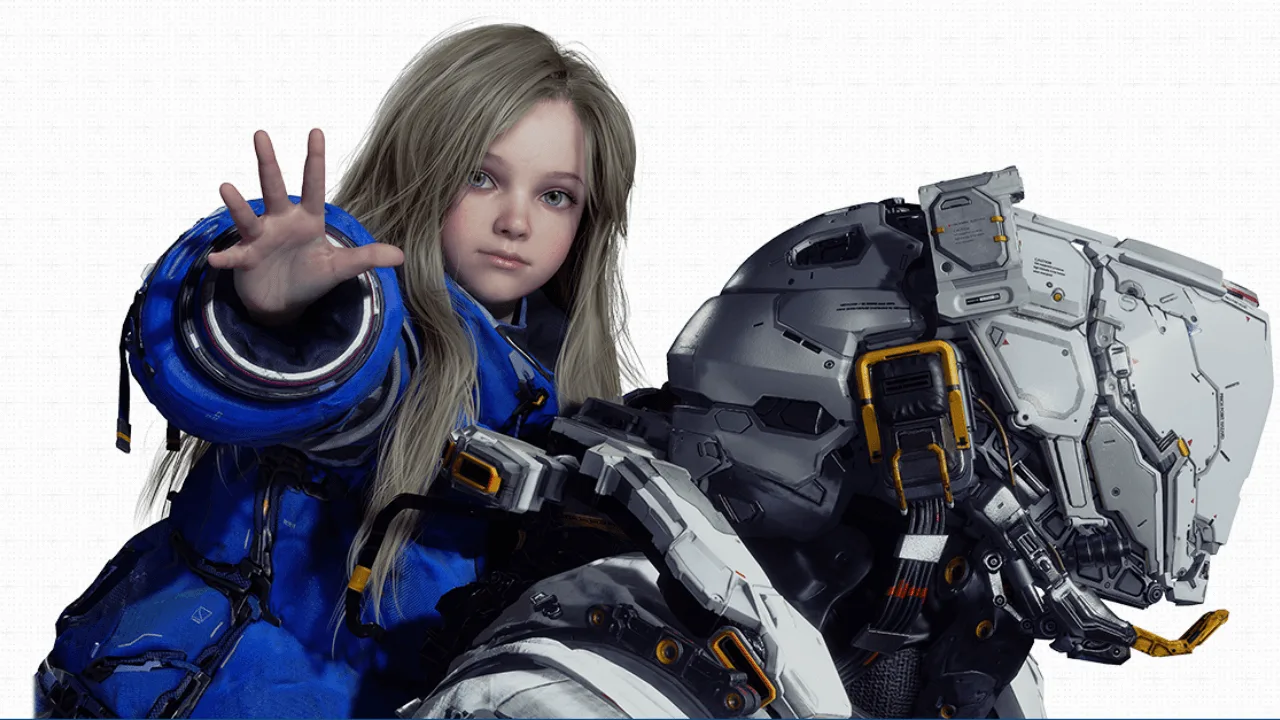
Sci-fi mystery with existential stakes.
Capcom’s Pragmata sets Hugh and android Diana on a lunar station overrun by hostile AI. Gameplay toggles between action, puzzles, and hacking the grid to tumor weaknesses.
The concept: two protagonists acting in tandem, one with brute force, one with code. It’s storytelling and game design meeting at an odd angle. Expect atmospheric tension, narrative ambiguity, and haunting visuals.
6. Titan Quest II
Myth meets modern ARPG.
As a sequel to a cult classic, Titan Quest II is promising to bring mythic grandeur into the modern ARPG fold. Released in full in 2026 after early access, it leans into Greek mythology with satisfying loot systems and epic confrontations.
If Diablo-style gameplay were a Greek tragedy, this might feel like the sequel where the gods intervene even harder.
7. Warhammer 40,000: Boltgun 2
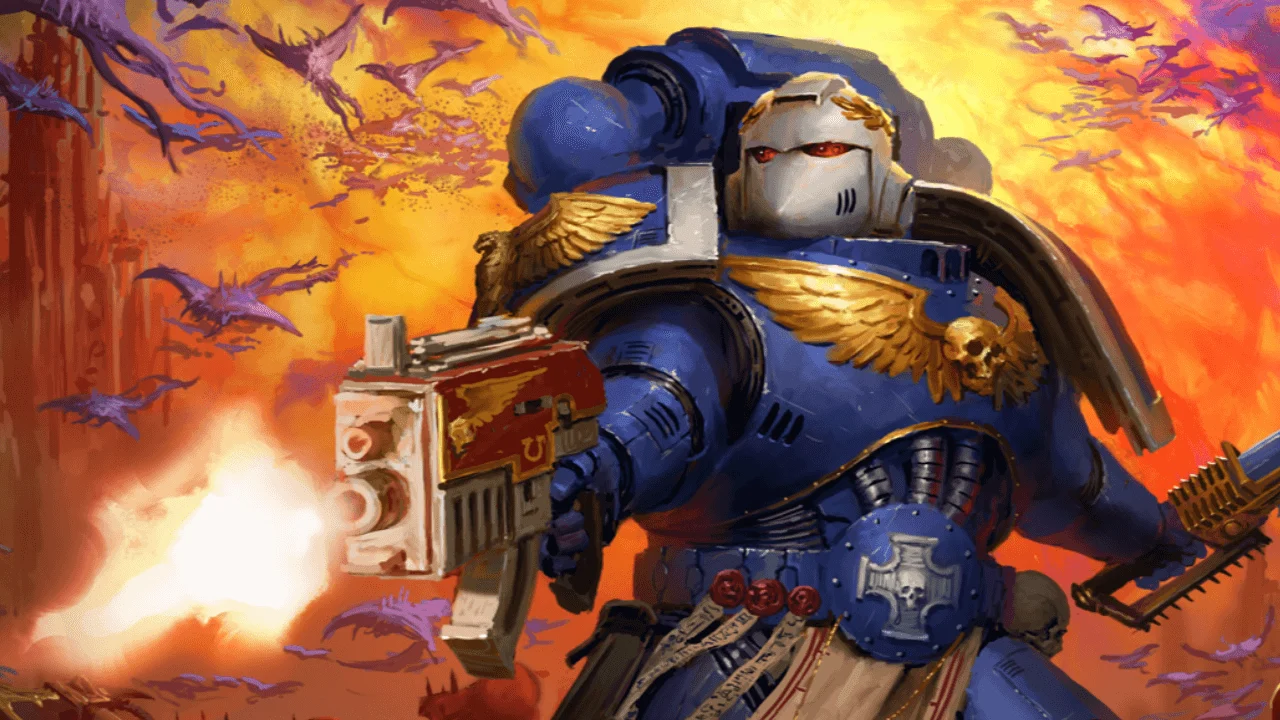
Pure catharsis in a grimdark future.
Boltgun 2 is not trying to be subtle. A first-person shooter in the brutal Warhammer 40K universe—guns, gore, and gothic sci-fi doom.
Its appeal is simple: visceral joy. When you just want to wreck chaos with big guns and over-the-top violence, that reliability is radical.
8. Star Wars: Zero Company
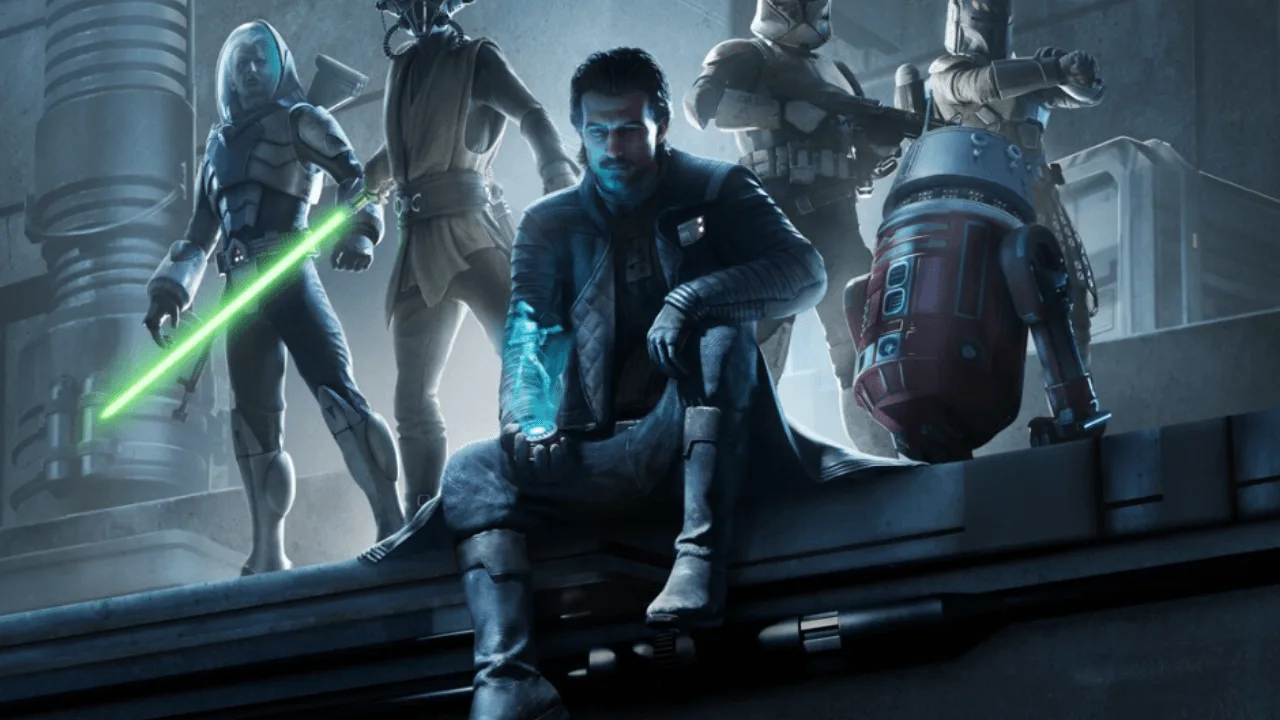
Tactics in a galaxy far, far away.
Not another lightsaber melee game—but a turn-based tactics experience. You’ll assemble squads of Mandalorians, clones, Jedi, and more, manage bonds, and fight strategic skirmishes.
It’s like XCOM met Star Wars lore and produced a crunchy, narrative-driven lovechild. For fans of both strategy and mythology, this is a dream crossover.
9. Marvel’s Wolverine
Grit, claws, identity.
From Insomniac Games, Wolverine is a bold attempt to explore the tortured hero’s inner strife. Launching fall 2026 for PS5, the project promises “blood tech,” narrative weight, and emotional arcs.
They’re not just building slashes and strength—they want soul behind the claws.
10. Game of Thrones: War for Westeros
RTS returns — and in Westeros.
A traditional real-time strategy title set in the Game of Thrones universe. Lead armies of House Stark, Lannister, Targaryen, or even the Night King. Dragons, siege, betrayal.
If Westeros were a board game come alive, this is the battlefield version. For strategy lovers and fantasy lore hounds alike, it’s a rare beast: deep gameplay wrapped in familiar mythos.
Why These Ten? (And What They Represent)
1. Balance of old and new
Franchises like GTA, Resident Evil, and Wolverine anchor the list—familiar faces to rally around. But newcomers like Saros or Pragmata speak of bold risks. A game lineup needs both anchors and experiments, or it becomes stale.
2. Genre variety
You’ve got horror, action, shooter, tactics, ARPGs. That isn’t happenstance. 2026 is shaping up not as a copy-paste sequel year but one with many flavors. If you’re a fan of any niche, there’s something to look forward to.
3. Mechanics meeting narrative
These are not just shiny worlds. The best of these titles are ones making design and story dance together: switching POVs (Requiem), roguelite progression (Saros), dual-hero interplay (Pragmata). Mechanics are story, and stories are mechanics.
4. A generational hinge
2026 may represent a hinge between console generations. New hardware, new expectations, and new creative risks. Many of these games feel like first steps into a mature ninth-gen era.
Risks Ahead
None of this is guaranteed. Development delays, scope cuts, or flops will happen. GTA VI might slip. Capcom’s experiments might feel hollow. The more ambitious a project, the more it toes the line.
But even if some miss their mark, the ambition itself counts. 2026 might be remembered less for every game they got right, and more for how many dared to try something audacious.
Conclusion
Remember the opening question: when was the last time a trailer made your heart race? These ten are doing that—each in its own key, each promising new synergies of effort and imagination. In a world saturated with sequels and remasters, 2026 dares to push boundaries.
So lean in. Bookmark your wish lists. Watch for the whispers at E3, Gamescom, Tokyo Game Show. Because when one of these titles finally releases, you’ll be waiting at the edge of your seat—and that’s half the magic.
🎮FAQ
Frequently Asked Questions
2026 is shaping up to be a turning point because it blends the best of both worlds — long-awaited sequels like GTA VI and Resident Evil Requiem, alongside bold new IPs such as Saros and Pragmata. We’re also seeing developers fully harness next-gen hardware, meaning bigger worlds, smarter AI, and deeper emotional storytelling.
If early buzz and pre-order trends are any sign, Grand Theft Auto VI will likely take the crown. Rockstar’s reputation for pushing boundaries, combined with over a decade of fan anticipation, makes it the clear front-runner for commercial success.
Definitely. Saros is a standout, mixing indie creativity with AAA production value. Expect tight gameplay loops, emotionally grounded storytelling, and a unique roguelite structure that rewards mastery over repetition.
Two trends stand out: immersive single-player storytelling and hybrid gameplay systems. Developers are blending mechanics—like first- and third-person perspectives or strategy and RPG elements—to make experiences feel fresh without alienating fans of traditional formats.
Honestly, both. It’s the year where nostalgia and innovation walk hand-in-hand. Franchises are being reinvented (Resident Evil Requiem, Titan Quest II), while new ideas like Pragmata experiment with tone, pacing, and co-character gameplay.
Most of them, yes. PC continues to be the common denominator across platforms. However, certain exclusives like Marvel’s Wolverine will remain PS5-only at launch, at least for the first few months.
While a few titles like Game of Thrones: War for Westeros and Crimson Desert may feature co-op or online modes, 2026 seems heavily focused on deep single-player immersion. It’s a refreshing shift after years dominated by live-service models.
Pragmata is the dark horse. Its cryptic trailers and ambitious concept suggest something special beneath the mystery. If Capcom nails the tone and pacing, it could become one of the most talked-about sci-fi titles of the decade.
While some already have confirmed windows—like Crimson Desert (March 2026) and Titan Quest II (mid-2026)—many others are slated for late 2026 to capitalize on the holiday season. Expect a jam-packed fall release calendar.
2026 isn’t just about playing new games—it’s about witnessing a creative leap. Studios are betting big on emotional storytelling, technical innovation, and world-building that makes players feel. It’s not just the next chapter in gaming—it’s the next evolution.