The Future Is Closer Than It Looks
Imagine walking into a café in 2026. The barista greets you by name — not because she remembers you, but because her AI glasses recognized you instantly. Your latte? Already brewing — a robotic arm predicted your order as your phone’s GPS pinged nearby.
This isn’t science fiction. It’s the reality unfolding across the United States — and as history shows, what happens in America’s tech labs soon echoes across the world.
1. The Rise of Autonomous AI Agents: From Tools to Teammates
Remember when AI just answered questions? In 2026, it’ll manage projects. Autonomous AI agents — self-directed systems that plan, decide, and act — will become digital teammates for millions of workers.
Impacts by sector:
Business
Solo entrepreneurs will run global e-commerce empires, with AI handling logistics, marketing, and customer service.
Healthcare
Smart assistants will monitor patients, predict outcomes, and coordinate treatments.
Education
AI tutors will adapt to every student’s pace and mood.
Global ripple: Countries like Germany, Japan, and India will integrate U.S.-developed AI frameworks into local industries, accelerating worldwide adoption.
2. The AI Gold Rush: Data Centers, Chips & the New Digital Oil
By 2026, America’s tech giants will invest nearly half a trillion dollars in AI infrastructure — building massive data centers across the Midwest.
Impacts by sector:
Manufacturing
AI-driven robotics will cut waste and downtime.
Energy
Green data centers will push innovation in cooling and renewable power.
Real Estate
Disused factories will be reborn as AI server hubs.
Global ripple: Expect similar infrastructure booms in Europe, Southeast Asia, and the Middle East as countries compete for digital dominance.
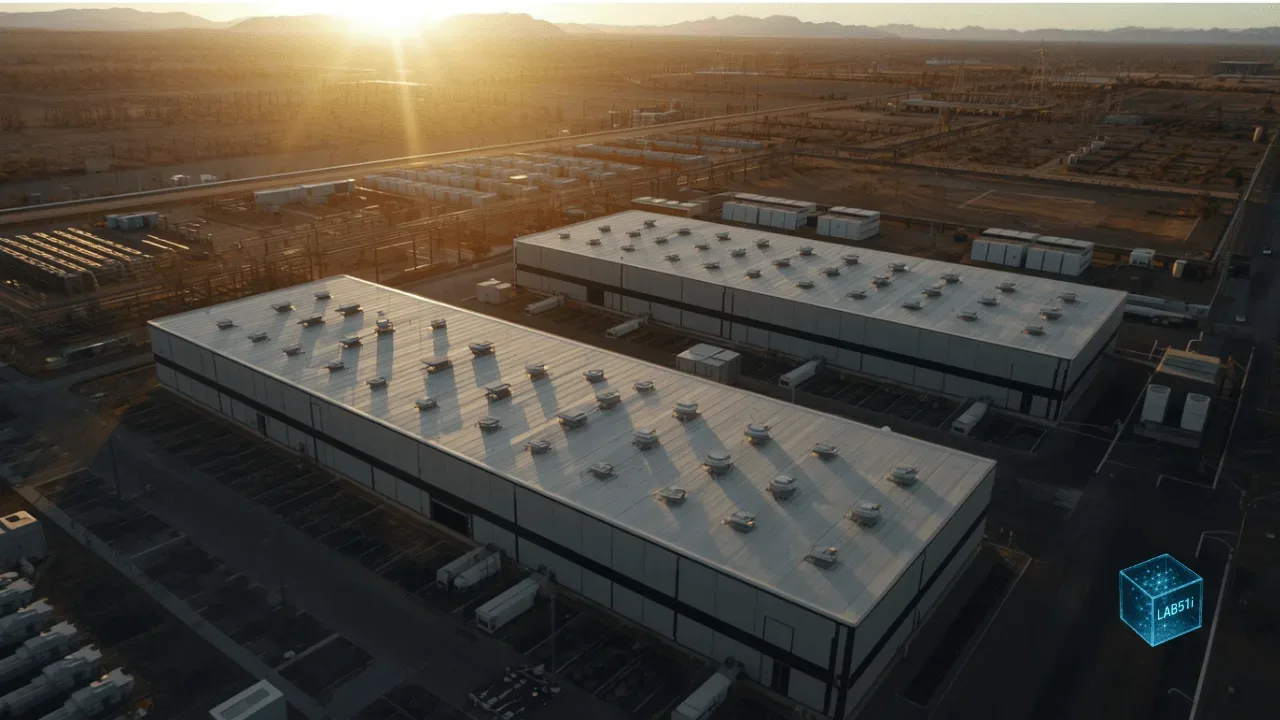
AI infrastructure investments will transform industrial landscapes across America
3. 5G Advanced and the Road to 6G: America’s Hyperconnected Era
If 5G was fast, 6G will be instantaneous. With ultra-low latency and massive device connectivity, it will turn the world into one synchronized system.
Impacts by sector:
Automotive
Vehicles will communicate with each other and smart infrastructure in real time.
Healthcare
Remote surgeries and telemedicine will become routine.
Entertainment
Mixed reality concerts and holographic events will redefine live experiences.
Global ripple: The U.S., Japan, and South Korea will lead early 6G trials, influencing global telecom standards.
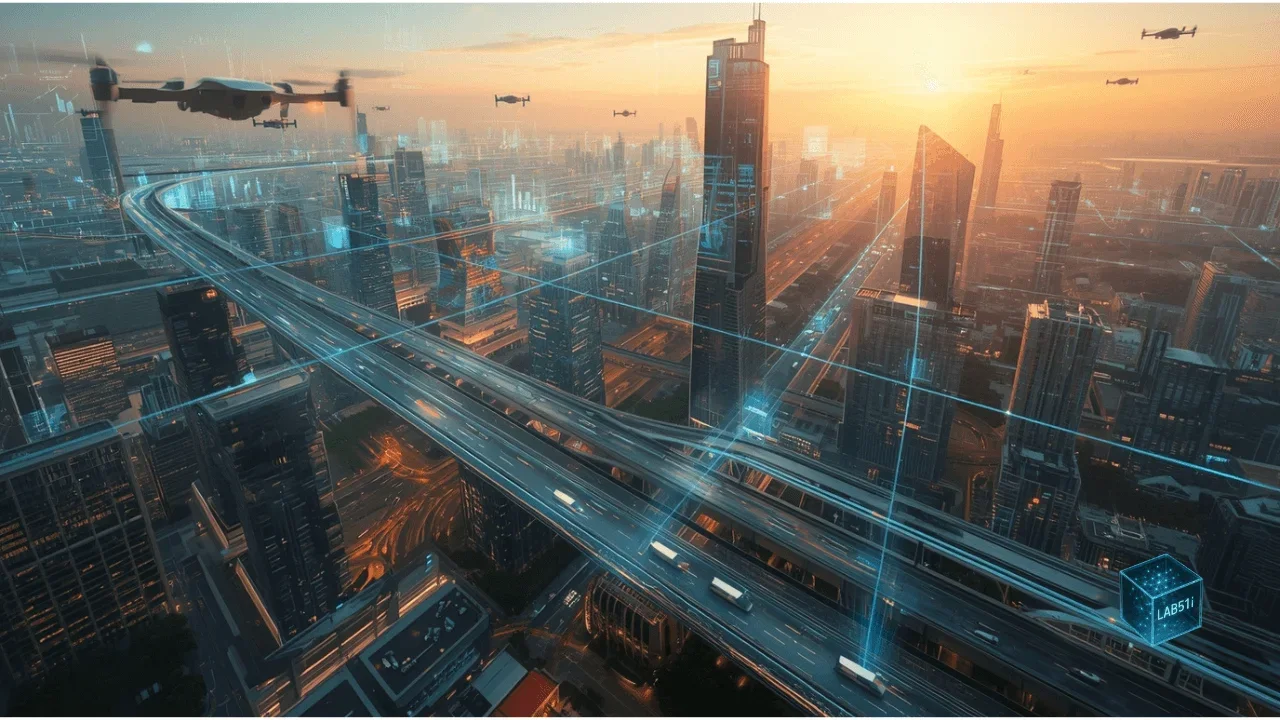
The evolution from 5G to 6G will enable unprecedented connectivity
4. Extended Reality (XR): The Next Frontier of Human Experience
AR, VR, and Mixed Reality are merging into Extended Reality (XR) — the next great computing platform.
Impacts by sector:
Retail
Shoppers will “try before they buy” through AR.
Real Estate
Buyers can virtually tour homes from across the globe.
Training
XR simulations will prepare doctors, pilots, and engineers in realistic digital worlds.
Global ripple: U.S. XR innovations from Meta, Apple, and startups will inspire ecosystems across Europe and Asia.
5. Quantum Computing & Cybersecurity: The Invisible Arms Race
Quantum computing will upend the limits of processing power — and possibly encryption itself.
Impacts by sector:
Finance
Lightning-fast quantum algorithms will revolutionize trading and forecasting.
Cybersecurity
A global scramble will begin to build post-quantum encryption standards.
Defense
Quantum sensors will redefine surveillance and secure communications.
Global ripple: The U.S., China, and the EU are locked in a quiet quantum race — one that could decide the future of global security.
6. Green Tech & Sustainability: Innovation with Conscience
Tech innovation without sustainability is no longer acceptable. By 2026, green tech will be the backbone of U.S. progress.
Impacts by sector:
Energy
Hydrogen fuel, solar storage, and nuclear microreactors will power cities sustainably.
Construction
3D-printed homes and carbon-neutral materials will reshape skylines.
Agriculture
AI-managed farms will predict yields and reduce waste.
Global ripple: Green-tech leadership will shift toward collaboration — with the U.S., EU, and Middle East sharing clean-tech infrastructure.

Sustainable technology will drive the next wave of American innovation
7. The Human Layer: Ethics, Privacy & Digital Trust
The most critical innovation of all won’t be technical — it’ll be ethical. By 2026, America’s biggest challenge will be building trust into technology.
Impacts by sector:
Policy & Law
Regulators will set AI accountability and data privacy laws.
Workforce
The new frontier of jobs will blend human empathy with machine precision.
Society
The public will demand transparency — who owns the algorithms shaping our lives?
Global ripple: The EU’s strict digital ethics models may influence how U.S. firms operate worldwide.
Conclusion: America’s New Export — Intelligence Itself
In the last century, the U.S. exported cars, music, and movies. By 2026, its greatest export will be intelligence — not the human kind, but the artificial one embedded in every tool, every system, every nation connected to it.
For entrepreneurs, it’s an era of limitless opportunity. For policymakers, a test of foresight. And for everyone else, it’s a simple but profound question:
Will we use this technology to enhance humanity — or to replace it?
Frequently Asked Questions
While technology development is global, the United States maintains a unique position due to its concentration of tech giants (Google, Apple, Meta, Microsoft), world-leading research universities (Stanford, MIT, Caltech), and substantial venture capital funding. Additionally, U.S. regulatory frameworks and market dynamics often set global precedents that influence technology adoption worldwide.
The 2026 timeline represents a projection based on current development trajectories. Some technologies like 5G Advanced and autonomous AI agents are already in advanced testing phases and likely to achieve mainstream adoption by 2026. Others, like 6G networks and practical quantum computing, may see limited commercial implementation by 2026 but will continue developing throughout the decade.
Key barriers include regulatory hurdles, privacy concerns, infrastructure costs, and public acceptance. For example, autonomous AI agents face significant ethical and legal questions about accountability. Quantum computing requires massive infrastructure investments and faces technical challenges in maintaining quantum states. Additionally, workforce adaptation and cybersecurity threats present substantial implementation challenges.
These technologies will create significant job displacement in routine tasks while generating new opportunities in tech development, AI supervision, data analysis, and human-machine collaboration roles. Countries that invest in retraining programs and education systems focused on STEM and digital literacy will be better positioned to benefit from these shifts. The transition may be challenging, but historically, technological revolutions have ultimately created more jobs than they eliminated.
Nations with strong digital infrastructure, educated workforces, and flexible regulatory environments will benefit most. This includes countries like Canada, Germany, South Korea, Japan, and the United Kingdom. Emerging economies with growing tech sectors like India, Brazil, and Vietnam may also leapfrog certain technologies. However, countries with limited digital infrastructure or restrictive policies may face challenges in adopting these innovations.
Individuals can prepare by developing digital literacy skills, staying informed about emerging technologies, and cultivating adaptability. Learning basic programming, data analysis, or AI concepts can be valuable. Additionally, focusing on uniquely human skills like creativity, critical thinking, and emotional intelligence will become increasingly important as routine tasks become automated. Finally, maintaining privacy awareness and digital security practices will be crucial in an increasingly connected world.

