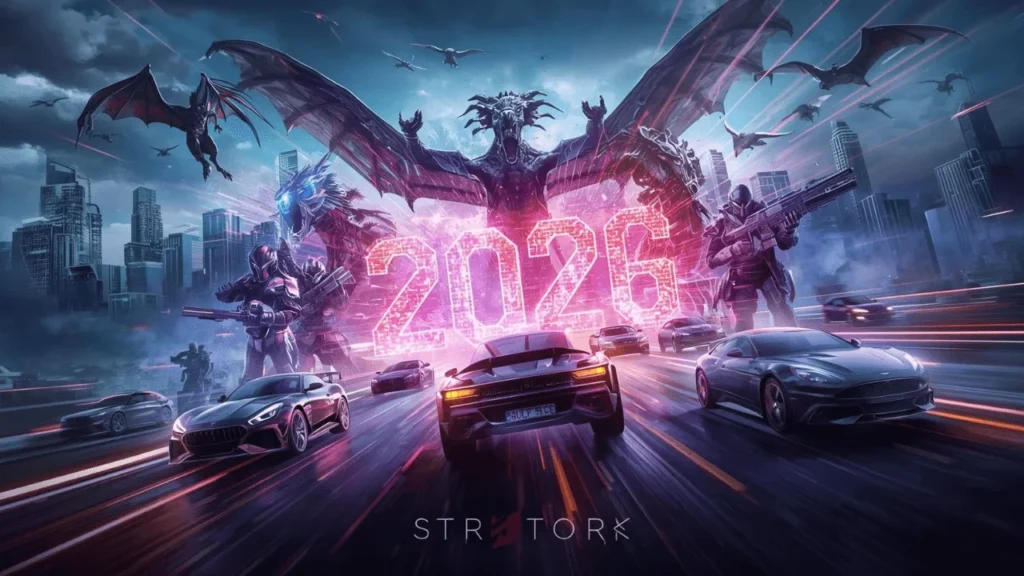
Remember the ritual? Saving up allowance or birthday money, trekking to the store, and clutching that heavy, overpriced box containing a new gaming console. It was a rite of passage. But what if I told you that in just two years, that entire ritual—the plastic box, the physical discs, the frantic setup—could feel as antiquated as rewinding a VHS tape? The future of gaming isn’t sitting under your TV; it’s floating, invisibly, in the cloud. And by 2026, it’s poised to become the new normal.
Table of Contents
Introduction: The Invisible Arcade
For decades, gaming has been tied to a thing. A cartridge. A disc. A console. A graphics card. We’ve been conditioned to believe that power is physical, that the quality of our experience is directly proportional to the silicon we own. But that paradigm is crumbling. Cloud gaming is the promise of playing any game, on any screen, with the power of a supercomputer beamed directly to you, like magic. It’s the Netflix-ification of gaming, and while the concept has been “the next big thing” for years, 2026 is the year it finally clicks into place for everyone. Let’s pull back the curtain on this invisible arcade.
From Buffering to Bliss: The Latency Leap
Metaphor: Think of early cloud gaming like a long-distance phone call on a bad line. You’d speak, there’d be a pause, and then the other person would respond. In gaming, that pause—that latency—is the difference between a perfectly timed parry in Elden Ring and a humiliating death screen. It’s been the single biggest hurdle.
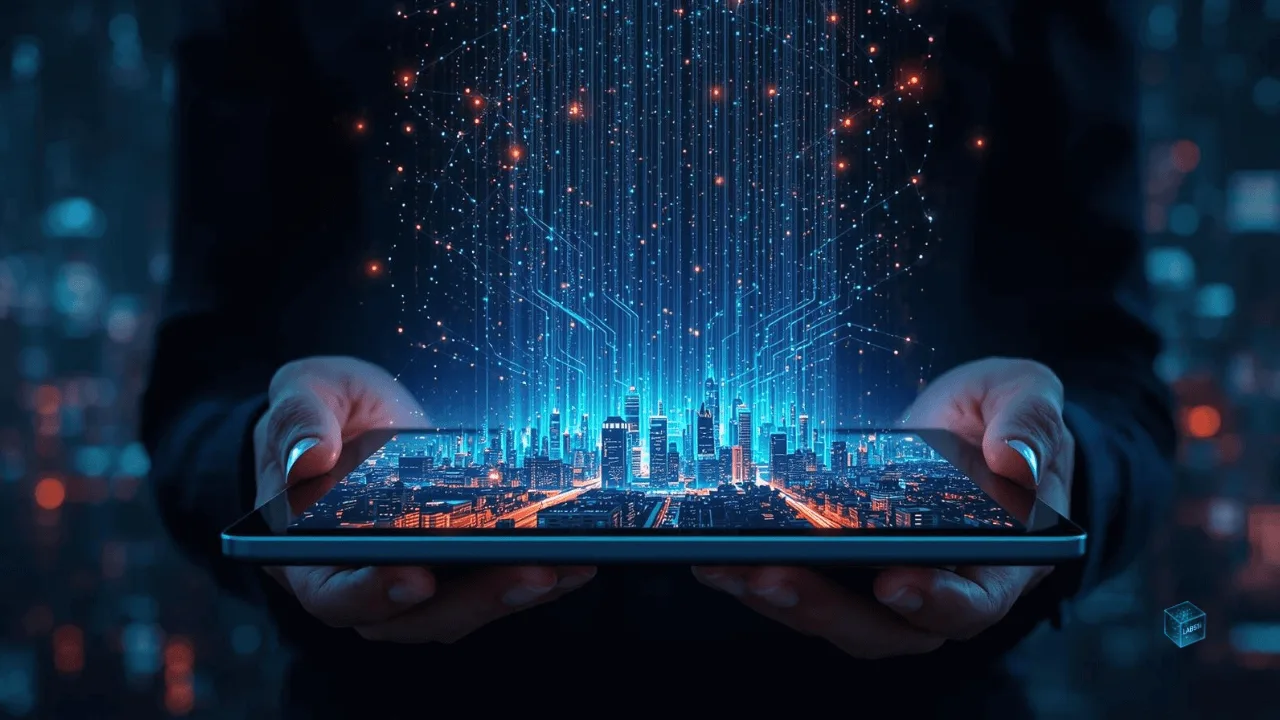
But the internet is getting a massive upgrade. By 2026, the widespread rollout of 5G and, crucially, fibre-optic broadband will have dramatically shrunk these digital distances. It’s the difference between sending a letter via horseback and sending it via teleporter. Companies like NVIDIA (with GeForce NOW), Microsoft (Xbox Cloud Gaming), and Sony (PlayStation Plus Premium) are building out specialized, AI-driven data centers that are physically closer to more people. These aren’t just generic server farms; they are bespoke gaming rigs on an industrial scale, fine-tuned to predict your button presses before you even make them.
Show, Don’t Tell: Imagine playing a competitive shooter like Call of Duty on your laptop in a coffee shop. In 2024, it might be a laggy mess. In 2026, the response will be so instantaneous that you’ll forget the game isn’t running locally. The “buffering” symbol will become a relic of a bygone era, much like the dial-up modem screech.
The “Gamepass-ification” of Everything: A New Relationship with Games
Analogy: Remember when you had to buy DVDs for every movie you wanted to see? Then Netflix came along and offered a world of content for a single monthly fee. That’s the seismic shift happening in gaming right now, led by services like Xbox Game Pass.
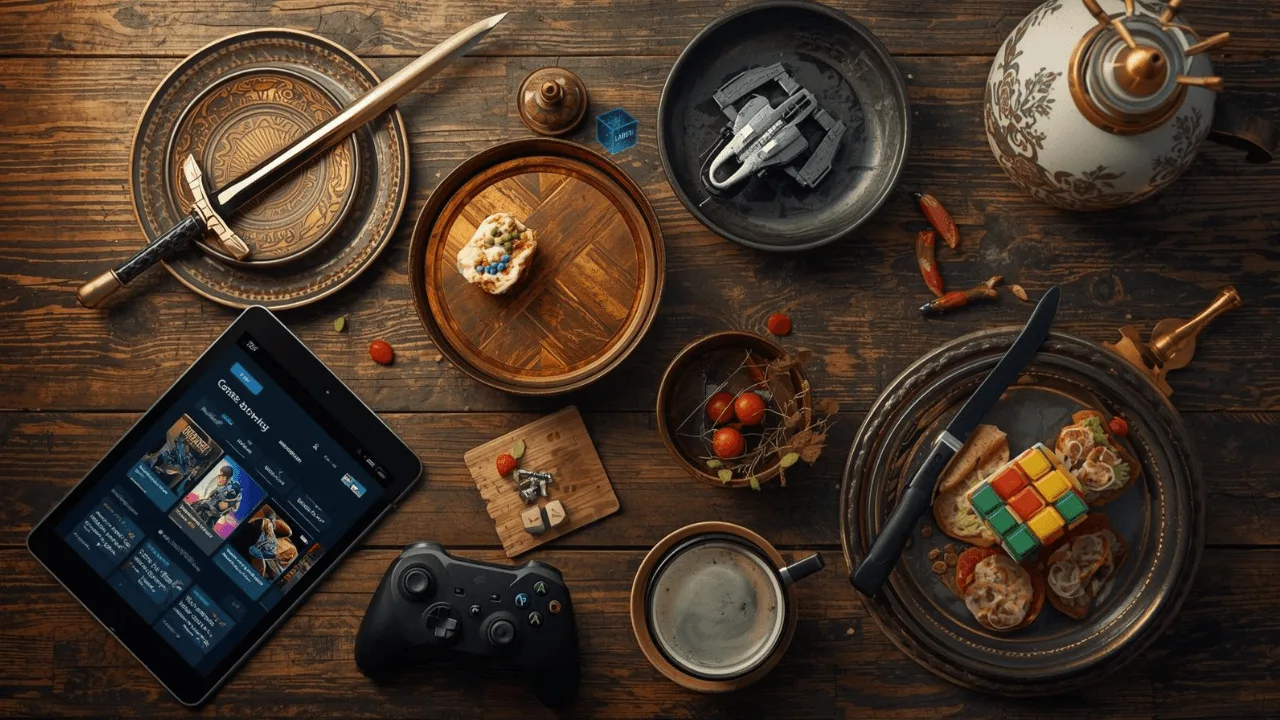
By 2026, this subscription model won’t be an alternative; it will be the dominant way many people access games. Why commit $70 to a single title you might not like when you can pay a monthly fee for a vast, rotating library of hundreds? This changes our relationship with games from one of ownership to one of access and discovery. It encourages risk-taking. That weird, artistic indie game you’d never normally buy? It’s just a click away. That massive, 100-hour RPG you only have time to dabble in? No problem. You’re not wasting a purchase.
This model is a rising tide that lifts all boats. For developers, it offers a guaranteed revenue stream and can expose their games to millions of subscribers they might never have reached. For us, the players, it turns our gaming diet into an endless, all-you-can-play buffet.
Beyond the TV: The True “Play Anywhere” Revolution
We talk about “play anywhere,” but often we still picture a TV or a monitor. The real magic of cloud gaming in 2026 will be its true device-agnosticism.
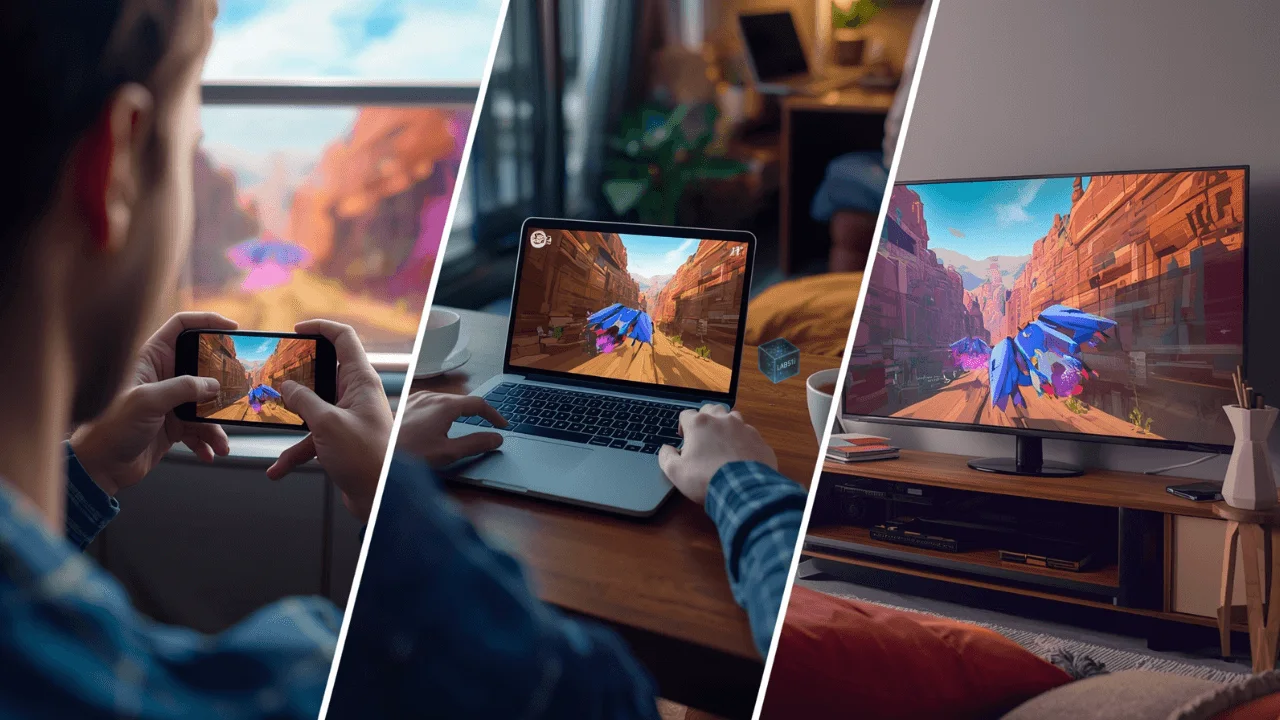
Vivid Examples:
- The Smart TV Native App: No stick, no box, no console. You’ll simply open the “Xbox” or “GeForce NOW” app directly on your smart TV’s home screen. It will be as native as Netflix is today.
- The “Lunch Break Raid”: The power of a PlayStation 5 or high-end PC, streamed seamlessly to your phone or tablet with full controller support. That 30-minute break becomes a legitimate gaming session.
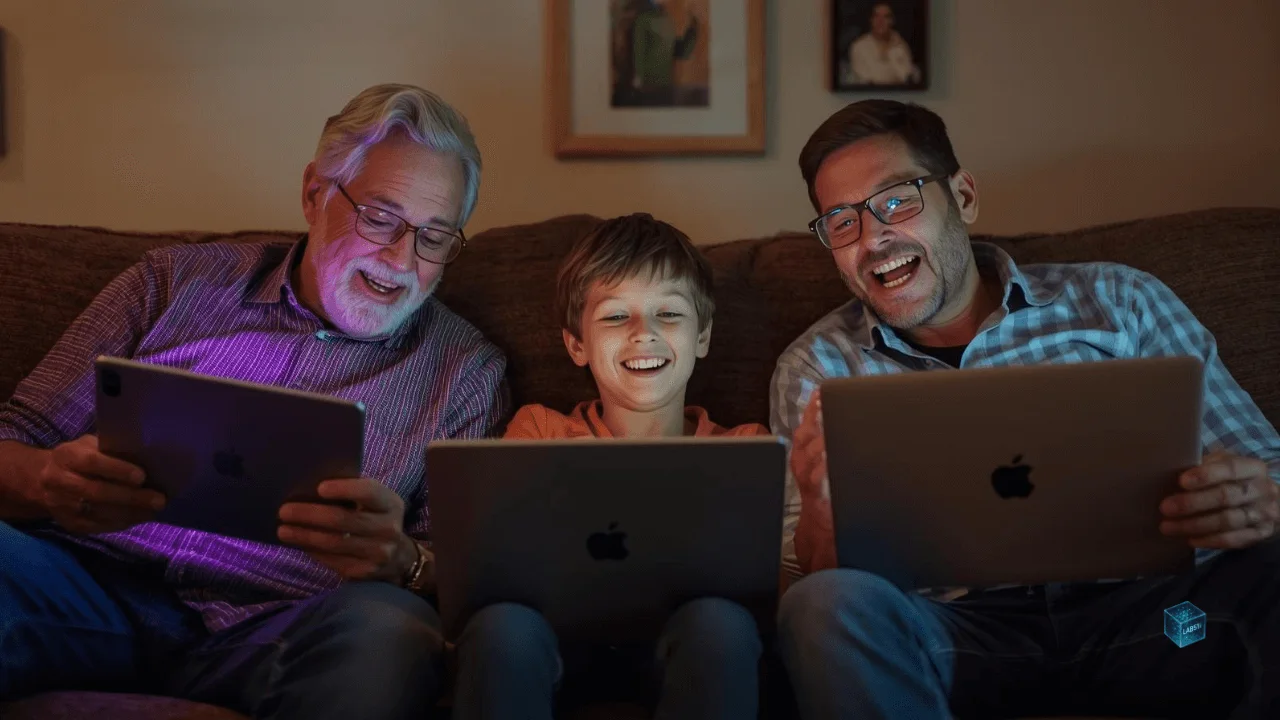
- The “Grandparent Portal”: Cloud gaming demolishes barriers to entry. Your grandparents won’t need to understand console specs; they’ll just need a link to click to join you in a game of It Takes Two, their device instantly becoming a gaming machine.
This isn’t just about convenience; it’s about fundamentally redefining what a “gaming platform” is. The platform is no longer a piece of hardware. The platform is your identity, your save files, your friends list, and your subscription, following you from screen to screen like a digital shadow.
The Human Touch in a Digital World
“But wait,” you might ask, “doesn’t this kill the magic of owning my games?” It’s a fair point. There’s a tangible joy in a physical collection. Yet, isn’t the real magic not in the plastic case, but in the experiences inside? Cloud gaming, paradoxically, can make gaming feel more human. It lowers the financial and technical barriers, making it easier to connect with friends. The shared experience becomes the focus, not the hardware required to enable it.
Think of it like music. We once owned CDs, then we owned MP3s, and now we mostly stream. We didn’t lose our love for music; we gained instant, limitless access to it. The ritual changed, but the passion remained, and in many ways, grew. Gaming is on the same path.
The Storm Clouds on the Horizon
The future isn’t all sunny skies. This shift brings real challenges.
- The Internet Divide: For those without fast, reliable, or uncapped internet, the cloud gaming revolution could leave them behind. This is a significant social and economic equity issue that providers and governments will need to address.
- The Preservation Problem: When games live on a remote server, what happens when a service is shut down? Games can literally disappear overnight, raising urgent questions about the preservation of gaming as an art form.
- The Corporate Gatekeeper: In a subscription-driven world, the platform holder (Microsoft, Sony, etc.) has immense power over what games are available and how developers are compensated. We must hope that competition keeps these gardens open and fertile, not walled.
Conclusion: The Console is Dead. Long Live the Game.
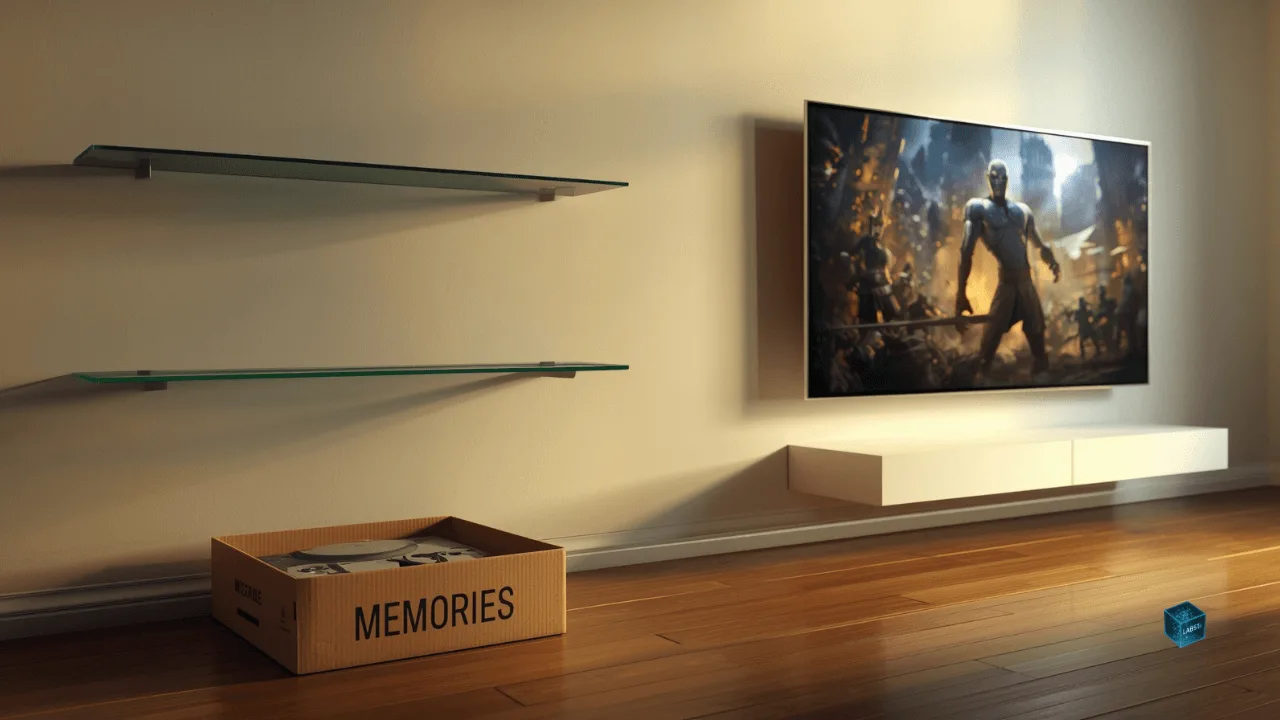
By 2026, the question won’t be, “What console do you have?” It will be, “What worlds do you want to visit today?” The plastic box under your TV won’t vanish overnight, but it will transition from a necessity to a niche—the vinyl record of the gaming world, cherished by enthusiasts but not required for the mainstream.
The future of cloud gaming is about liberation. Liberation from hardware cycles, from upfront costs, from being tethered to a single screen. It’s about making the act of playing a game as frictionless as watching a video or listening to a song. The console, as we know it, is fading into the background. But the game? The game is about to take center stage like never before. And honestly, isn’t that the whole point?
F A Q: Demystifying the Cloud Gaming Revolution
You’ve read about the future, and it’s natural to have questions. Let’s tackle some of the most common head-on.
Frequently Asked Questions
The main catch, for now, is the internet requirement. Cloud gaming is a data-hungry beast. For a smooth, high-definition experience, you’ll need a consistent connection of at least 15-25 Mbps, and for the best 4K quality, you’re looking at 35-50 Mbps or more. If your internet is prone to slowdowns during peak hours or has data caps, that’s the biggest hurdle. It’s like having a supercar but only having a dirt road to drive it on.
This is a fundamental shift in mindset. With a subscription service like Xbox Game Pass, you are essentially “renting” access to a library. If you cancel, you lose access to those games, much like canceling Netflix means you can no longer watch Stranger Things. However, many services also allow you to purchase games outright (often at a discount for subscribers) that you can then play via the cloud or download, giving you the best of both worlds.
The best way to find out is to try! Most major cloud gaming services offer a free trial or a free tier (like NVIDIA GeForce NOW). Download the app on your phone or PC, connect a controller, and try a fast-paced game. If it feels responsive and the video is clear, you’re in good shape. If it’s a pixelated, laggy mess, your connection might not be ready for prime time—yet.
It depends on the service, and this is a key differentiator. Xbox Cloud Gaming is tied to the Xbox Game Pass Ultimate subscription. You can only stream the games that are currently in the Game Pass library. NVIDIA GeForce NOW takes a different approach. It allows you to connect to stores like Steam, Epic Games, and GOG.com. You can stream games you already own on those platforms, as long as they are supported by NVIDIA’s service. It’s like renting a powerful PC to play the games you already have. PlayStation Plus Premium lets you stream a selection of games from the PS Plus catalog and classic games. Always check the specific service to see how it handles your existing digital footprint.
This is the final frontier for cloud gaming. For casual and even most single-player experiences, the latency in 2026 will be negligible. For the absolute top-tier, frame-perfect world of professional esports, local hardware will likely still have a microscopic edge for a while longer. However, for 99.9% of players, including ranked competitive play, the technology will be more than fast enough. The gap is closing rapidly.
Surprisingly little! A Compatible Device: Your phone, tablet, laptop, or smart TV. A Stable Internet Connection: The faster, the better. A wired ethernet connection is ideal for stationary devices. A Controller: While some games support touch controls, a Bluetooth controller (like an Xbox or PlayStation controller) is highly recommended for the proper feel. A Subscription: A subscription to a service like Xbox Game Pass Ultimate, GeForce NOW, or PlayStation Plus Premium. That’s it. No downloads, no installations (for the app), no upgrades.
Generally, any game is playable. However, the experience is best suited for games where a tiny bit of potential latency won’t ruin the experience. You might avoid rhythm games like Guitar Hero or ultra-precise platformers where a millisecond of delay means death, at least until you’re completely confident in your connection. For sprawling RPGs, action-adventure games, and most shooters, it’s a fantastic experience.
It’s a change, not necessarily an end. Just as people still buy Blu-rays and vinyl records, there will always be a market for physical game copies and digital ownership. Cloud streaming is simply adding a new, incredibly convenient option to the mix. It’s about choice. For deep, permanent collections, you’ll buy. For exploration and casual play, you’ll subscribe. The future is about having both.