Table of Contents
Introduction: When Nostalgia Became the New Trend
It’s 2 AM. A Twitch streamer named PixelPanda just hit 80,000 live viewers—not while conquering Elden Ring 2 or exploring Starfield Online, but while speedrunning Super Mario Bros. 3, a game released before half her audience was even born. Chat is going wild with pixel emojis. Someone donates just to request Duck Hunt next.
If you’d told gamers a decade ago that 8-bit and 16-bit titles would dominate the streaming charts in 2026, they’d have laughed you off their RGB chairs. But here we are, living in a digital renaissance where retro isn’t just back—it’s breaking records.
So, what’s behind this pixel-powered comeback?
This article dives deep into the Retro Gaming Revival—why classic games have surged to the top of streaming platforms, what’s fueling this cultural shift, and what it reveals about how gamers today crave more than just high-res graphics.
The Comfort of Pixels in an Overstimulated World
Modern gaming can feel like sensory overload. Hyperrealistic visuals, microtransactions, constant updates—sometimes it’s like being stuck in a never-ending patch note.
Retro games, by contrast, offer simplicity. There’s something profoundly soothing about a clean objective: save the princess, beat the level, rack up points. No loot boxes, no season passes, no daily grind.
It’s digital comfort food.
In an age of algorithmic chaos and attention fragmentation, players are turning back to classics for the same reason people binge 90s sitcoms or buy vinyl records—they crave authentic simplicity. Retro games remind us that joy doesn’t need 4K fidelity; sometimes, it just needs two buttons and a catchy chiptune soundtrack.
Streamers Found the Sweet Spot: Nostalgia Meets Discovery
For streamers, retro gaming is gold.
Old-school titles create an instant bridge between generations. Viewers who grew up on Contra tune in for the nostalgia. Younger audiences, meanwhile, watch to discover what their parents used to rave about.
It’s interactive time travel—shared live.
Platforms like Twitch and Kick have noticed this too. In 2026, “Retro & Classic” has become one of the fastest-growing categories, with watch hours up 150% from the previous year. Streamers love how retro titles invite audience participation: viewers swap tips, debate the “best console era,” or challenge the streamer with obscure speedrun goals.
Example: When RetroRiku played Mega Man X on stream, viewers collectively cheered him through every boss fight. It wasn’t just gameplay—it was communal storytelling.
The Power of Pixel Aesthetics: Retro Looks Are Trendy Again
Here’s the twist—retro isn’t just about nostalgia. It’s also about aesthetic identity.
Pixel art and chiptune soundtracks have become the visual language of a generation raised on minimalism and vaporwave. Modern indie hits like Celeste, Stardew Valley, and Dead Cells proved that “old-school” visuals can still pack emotional depth and artistic flair.
Now, major studios are joining the party. 2026’s top-selling remake, Chrono Trigger: Reborn, didn’t aim for photorealism—it leaned into its original 16-bit charm, simply polished for modern displays.
Retro visuals feel timeless because they’re symbolic, not literal. They evoke imagination rather than replace it. As game designer Shigeru Miyamoto once said, “A good game is always about how it feels—not how it looks.”
The Rise of “Digital Archaeology”
There’s a growing subculture within the gaming community dedicated to preservation—players who treat retro titles like cultural artifacts.
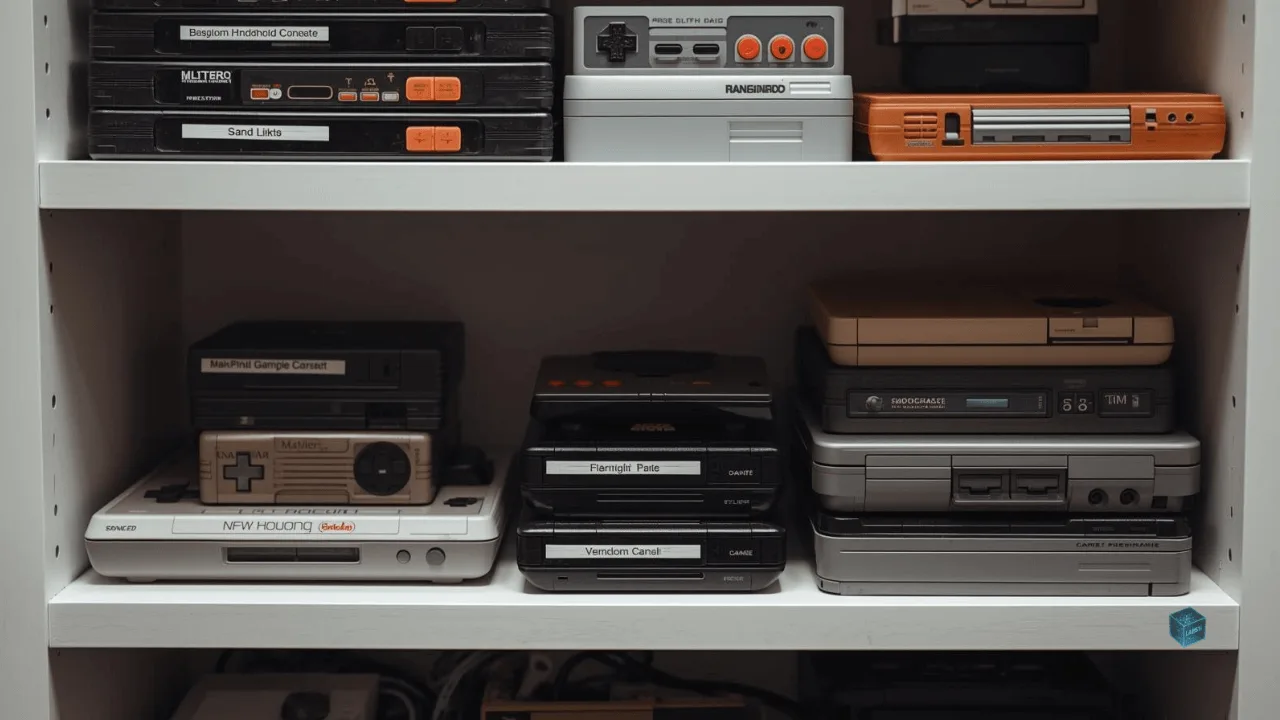
As physical media declines, retro fans have become curators of digital history. Projects like the Internet Archive’s Console Vault and RetroDeck 2026 ensure classic titles aren’t lost to time (or copyright purgatory).
Streamers often frame their broadcasts as “digital archaeology expeditions,” unearthing forgotten gems like EarthBound Beginnings or Panzer Dragoon Saga. For younger players, it’s a revelation; for veterans, it’s a resurrection.
This act of rediscovery gives streaming an educational twist. It’s not just entertainment—it’s cultural preservation in real time.
Retro Gaming as Resistance
Let’s be honest: modern gaming has become commercialized to the point of fatigue. Battle passes, $70 base prices, endless DLCs—it’s easy to feel more like a consumer than a player.
Retro gaming, in that sense, has become an act of rebellion.
It’s a quiet protest against the monetization machine—a return to when gaming was about skill, not spending. When you watch a streamer tackle Castlevania or Metroid, you’re seeing pure gameplay mastery, no pay-to-win shortcuts or cosmetic distractions.
In the same way punk music rose as a response to overproduced pop, the retro revival feels like gaming’s own cultural counterpunch.
The Social Alchemy of Shared Memory
Retro games also have something modern titles rarely achieve: collective nostalgia.
Think about it. Millions of players across decades have all stomped the same Goombas, heard the same “SEGA!” startup jingle, or blown into the same stubborn NES cartridge. Those shared experiences create instant community.
When someone types “Up, Up, Down, Down, Left, Right, Left, Right, B, A” in chat, everyone knows what it means. It’s not just nostalgia—it’s tribal identity.
And in an era where gamers are spread across countless genres, platforms, and ecosystems, retro streams bring everyone back under one roof.
Technology Caught Up with Nostalgia
Ironically, it’s cutting-edge tech that made retro gaming explode.
With emulators now integrated directly into streaming platforms and handhelds like the Steam Deck Retro Edition or Analogue Pocket 2, players can access decades of classics instantly—and legally.
Even cloud services have joined in. Microsoft’s “Retro Pass” subscription offers remastered collections with modern features like achievements and online co-op.
The result? Retro gaming is no longer a niche—it’s an accessible, vibrant ecosystem powered by nostalgia and convenience.
Case Study: Tetris Effect and the Power of Reinvention
Few games illustrate the revival better than Tetris.
Originally launched in 1984, Tetris has resurfaced again and again—culminating in Tetris Effect: Connected 2026, a breathtaking hybrid of VR immersion and classic block-dropping bliss.
Streamers love it because it bridges eras: it feels both vintage and futuristic. Watching someone lose themselves in Tetris Effect’s hypnotic visuals and pulsing music is like watching nostalgia evolve in real time.
It’s proof that old ideas, when treated with respect and imagination, can become new again.
Conclusion: The Future Is Retro
In 2026, gaming feels like it’s come full circle. The industry that once sprinted toward realism and innovation is now pausing to celebrate its roots.
Retro gaming isn’t a step backward—it’s a reminder of what made games magical in the first place. It’s proof that creativity, not complexity, is what endures.
So the next time you scroll through Twitch and see someone streaming The Legend of Zelda: A Link to the Past to a packed audience, remember: it’s not just nostalgia. It’s connection. It’s craftsmanship. It’s community.
And maybe—just maybe—it’s a sign that in the noisy future of gaming, the purest joy still lies in those glowing, pixelated pasts.
FAQ: Retro Gaming Revival 2026
Frequently Asked Questions
Retro games have re-emerged as digital comfort zones. They offer pure, skill-based fun without modern distractions like microtransactions or endless updates. In an overstimulated gaming world, their simplicity feels refreshing—and deeply human.
Nostalgia is the spark, but it’s not the whole fire. Players are reconnecting with games that feel authentic, creative, and emotionally grounded. Retro gaming represents a rebellion against over-commercialization—it’s about play, not profit.
Retro games attract diverse audiences—older fans chasing memories and younger fans discovering classics. They’re great for community interaction, live challenges, and story-sharing. Plus, they’re lightweight, easy to stream, and full of recognizable moments that light up chat rooms.
Ironically, cutting-edge tech made it possible. Modern emulators, remasters, and handhelds like the Steam Deck Retro Edition make classic titles more accessible than ever. Streaming platforms even feature built-in retro libraries, letting players relive history instantly.
Absolutely. Indie hits like Celeste, Dead Cells, and Pizza Tower borrow 90s design philosophies—tight mechanics, expressive pixel art, and emotionally rich simplicity. Even AAA studios are embracing the charm of low-res aesthetics and classic gameplay loops.
All signs point to longevity. Retro gaming has evolved into a culture, not a phase—complete with fan-driven preservation projects, remix remasters, and growing retro esports scenes. It’s now part of the gaming identity, not just its past.
The future isn’t about leaving the past behind—it’s about integrating it. As tech grows more advanced, players crave emotional grounding and artistic integrity. Retro gaming’s success proves that innovation doesn’t always mean complexity—it can also mean remembering what worked.