Table of Contents
Introduction: When Your Loot Becomes Your Livelihood
It starts with a sword.
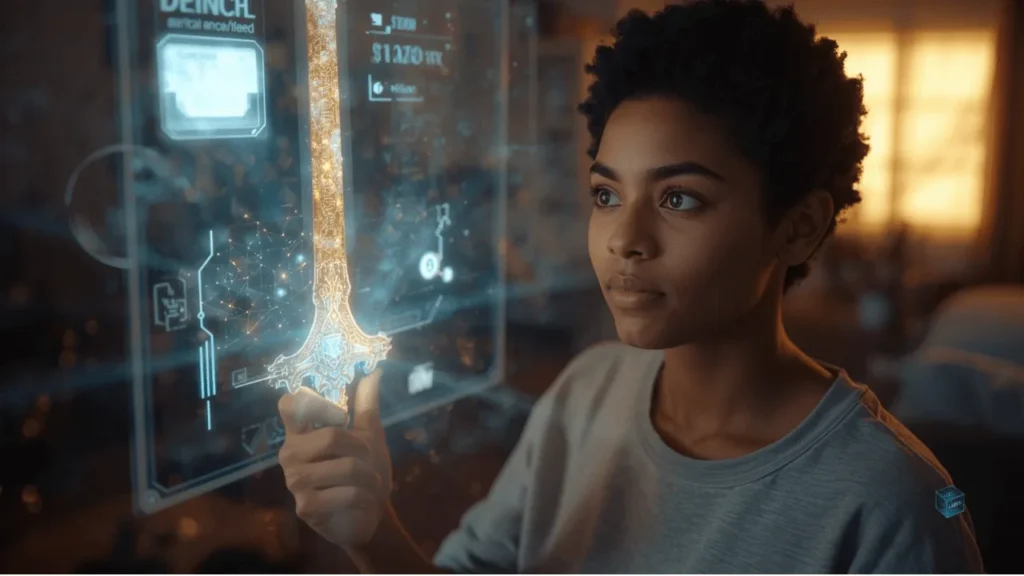
Not a real one, but a digital blade forged in Ethereal Realms Online, a game that looks like a dream and functions like a small economy. In 2026, that sword — shimmering with rare runes — sells for $1,200 in crypto to a player halfway across the world. The seller? A college student in Manila who’s been playing part-time between classes.
Welcome to the new frontier of metaverse gaming, where pixels have price tags and playtime pays the bills.
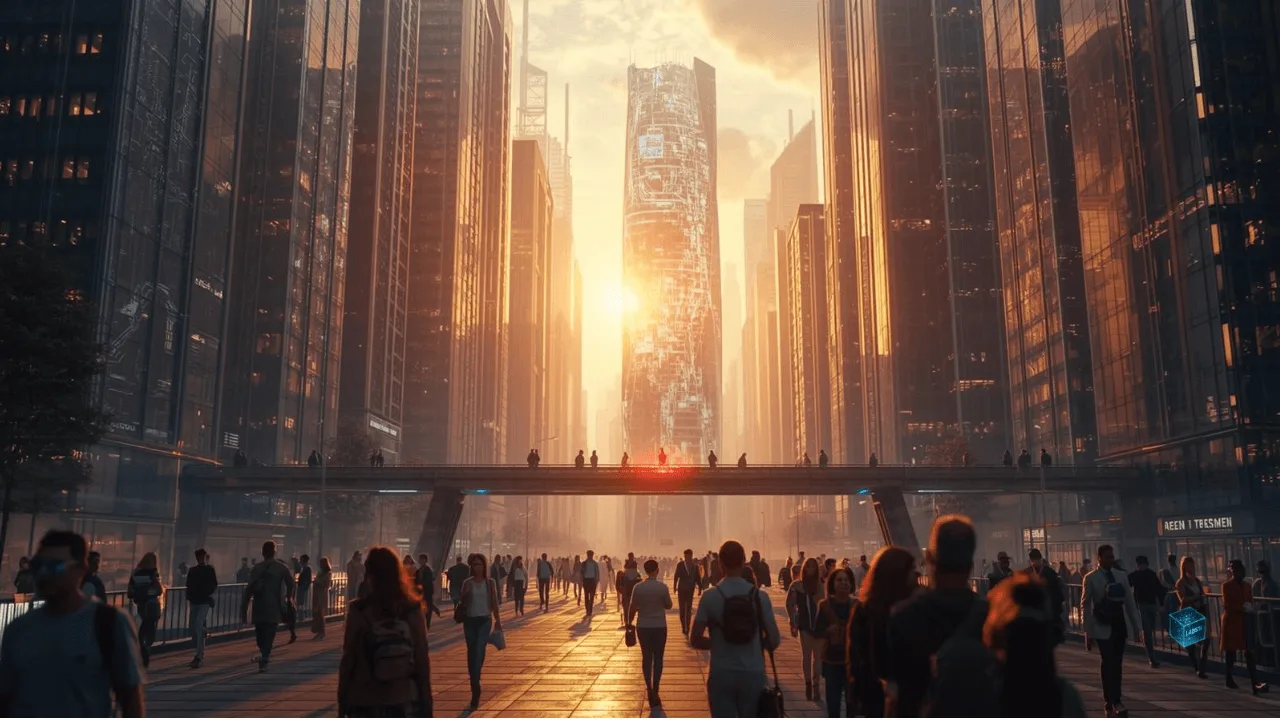
What began as a fantasy playground is now an ecosystem where virtual economies mirror — and sometimes outperform — real ones. But how did we get here? And more importantly, where is this heading?
From Playgrounds to Parallel Economies
Just a few years ago, the metaverse sounded like Silicon Valley vaporware — all hype, no substance. But fast-forward to 2026, and the landscape looks radically different.
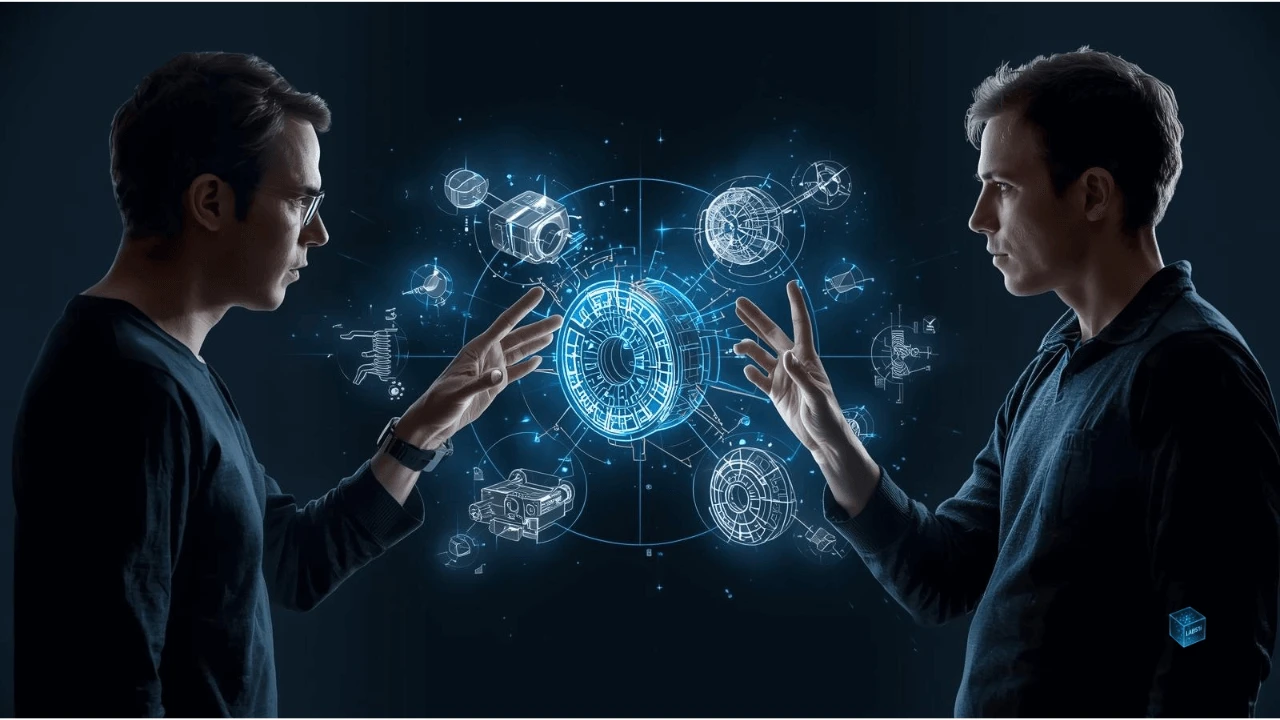
Virtual worlds like Star Atlas, Otherside, and Illuvium aren’t just games; they’re digital nations. Players don’t merely log in to fight monsters or socialize — they build careers, buy property, trade assets, and run in-game businesses.
Take Decentraland, for example. Once dismissed as a crypto novelty, it’s now home to actual real estate firms that flip virtual land. There are metaverse architects designing custom structures, fashion designers crafting digital couture for avatars, and marketing agencies renting out virtual billboards for brand events.
It’s capitalism reimagined — only this time, the rules are written in code.
NFTs, Tokens, and the Rise of Play-to-Earn 2.0
Remember the first wave of “play-to-earn” games around 2021–2023? They promised easy money for grinding through dull gameplay — and crashed almost as fast as they rose.
The 2026 metaverse economy, however, has matured. “Play-to-Earn 2.0” isn’t about farming tokens anymore; it’s about creating actual value.
Now, digital assets are more than speculative NFTs — they’re functional and interoperable.
- A sword from Game A can be traded or used in Game B thanks to cross-chain compatibility.
- Skins and collectibles carry metadata tied to your universal metaverse identity.
- Smart contracts ensure ownership is permanent, portable, and provable.
These aren’t gimmicks — they’re digital property rights for gamers.
And the players? They’ve become investors, entrepreneurs, and even policymakers in decentralized gaming guilds. What used to be a leaderboard is now a stock exchange of virtual value.
The Social Shift: From Gamers to Digital Citizens
In 2026, being a “gamer” feels outdated. Inside the metaverse, people aren’t playing a game; they’re living through it.
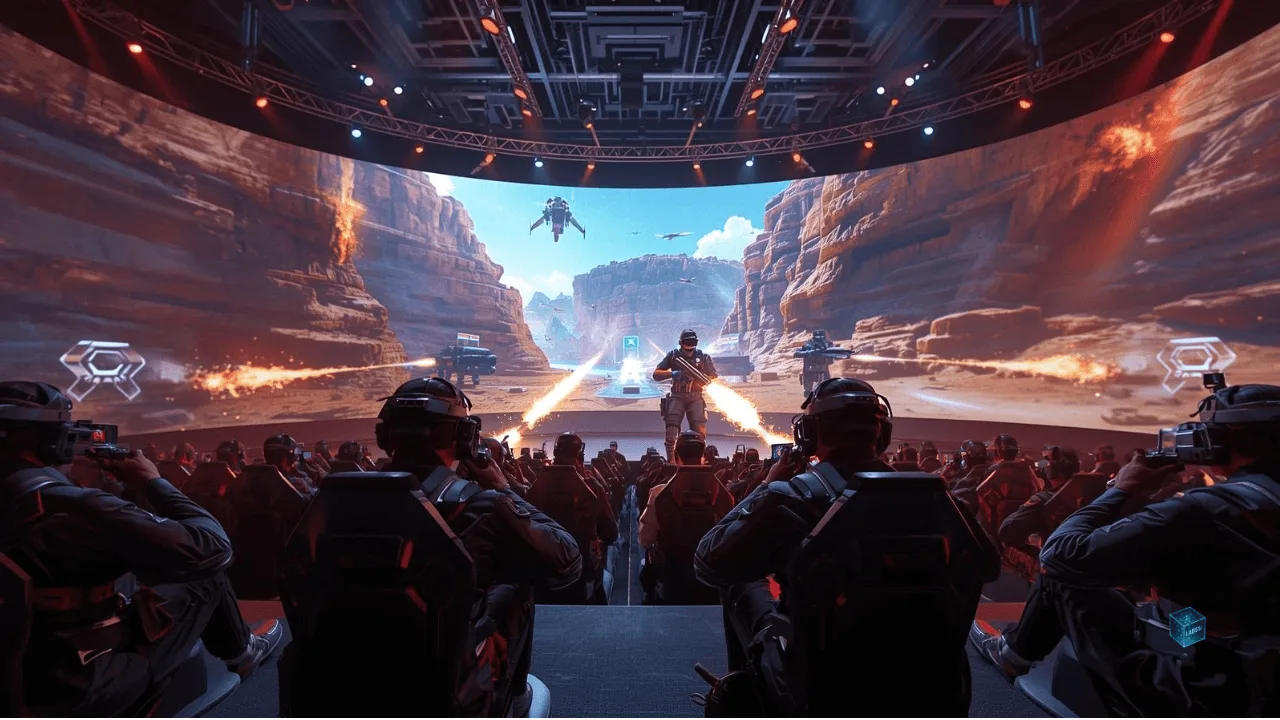
Friends meet up in Meta Horizon Worlds to attend concerts. Families host birthday parties in Roblox Universe 2.0. Remote teams hold strategy sessions inside Sandbox City, surrounded by digital skyscrapers and floating logos.
This isn’t escapism — it’s evolution.
The lines between “game” and “reality” have blurred so deeply that your digital identity has become an extension of your real one. Your avatar’s reputation, achievements, and assets carry real-world weight. Some employers even check metaverse portfolios before hiring creative talent — think of it as a gamified résumé.
When who you are online becomes inseparable from who you are offline, we’ve entered a new kind of social contract.
The Economy Within: Who’s Really Winning?
Here’s the million-dollar (or million-token) question:
If the metaverse is an economy, who’s cashing in?

The answer isn’t simple.
Sure, some players are making bank — designing digital assets, flipping land parcels, streaming gameplay, or managing virtual businesses. But like any emerging market, inequality is baked in.
Large corporations, once hesitant to enter the metaverse, now dominate key platforms. Ubisoft, Epic, and Tencent have launched proprietary blockchain layers that lock users into their ecosystems. Meanwhile, independent creators often struggle with high minting fees, shifting token values, and platform monopolies.
So while metaverse gaming is rewriting economic rules, it’s also replaying familiar ones — where early adopters and corporate giants hold the power.
Yet, optimism thrives. Decentralized platforms like Mythos DAO and Open Metaverse Alliance push back, advocating for open standards and fair revenue sharing. The dream of a truly player-owned economy isn’t dead — it’s just evolving.
The Dark Side: Addiction, Inflation, and Exploitation
Every revolution has its shadows.
For some, metaverse gaming has become a 24/7 hustle — not play. In digital sweatshops, low-wage workers “farm” virtual items for wealthy players. In others, speculative bubbles lead to in-game inflation, where a basic item costs more than a week’s real salary.

And then there’s the psychological toll.
When your social life, career, and income all exist in the same virtual space, the line between “logging out” and “burning out” disappears.
Governments are starting to step in.
In 2026, Singapore and South Korea introduced regulations for digital labor rights in metaverse games — defining fair pay, ownership, and working hours for virtual economies. It’s the first sign that even lawmakers are beginning to see play as labor.
What Comes Next: The Metaverse as a Mirror
Here’s the paradox: the more virtual our worlds become, the more they reflect our real-world systems — wealth, creativity, greed, ambition.
By 2026, the metaverse isn’t a fantasy escape. It’s a mirror — and sometimes, a magnifying glass.
Gamers are the new merchants. Developers are the new mayors. The game itself? It’s the new marketplace.
The most fascinating part isn’t that people are making money playing games — it’s that the meaning of “work” and “play” are merging into something entirely new. When your avatar earns your rent money, what does “real life” even mean anymore?
Conclusion: Reality Reloaded
Back to that sword — the one that started this story.
It’s no longer just an item in a game. It’s a symbol of how imagination, technology, and economy have fused into something unprecedented.
Metaverse gaming in 2026 isn’t just a technological trend. It’s a social experiment, a cultural revolution, and a glimpse into a world where the boundaries between the digital and the tangible dissolve.
Maybe the metaverse isn’t replacing reality.
Maybe it’s expanding it — one pixel, one player, one digital dream at a time.
FAQ
Frequently Asked Questions
Metaverse gaming in 2026 refers to interconnected virtual worlds where players can own assets, earn real money, and live digital lives. Games are no longer isolated experiences but part of a larger economic and social network that mirrors real-world economies.
Virtual economies operate through blockchain-based tokens, NFTs, and smart contracts. Players can buy, sell, or trade digital assets — like land, weapons, or avatars — across different platforms, creating real financial value from in-game activity.
Yes. In 2026, many gamers earn real income through play-to-earn models, digital asset trading, virtual business ownership, and metaverse freelancing. Some even treat their gaming avatars as full-time professions.
Early play-to-earn games focused on repetitive tasks and speculative tokens. In 2026, the focus has shifted to value-driven ecosystems where assets are interoperable, gameplay is richer, and earnings come from genuine participation and creation.
Absolutely. Virtual economies can face inflation, scams, and exploitation. There’s also the danger of digital burnout as people spend more time living and working inside virtual spaces. Responsible use and regulation are crucial for a healthy metaverse future.
By 2026, several countries — including Singapore and South Korea — have begun regulating virtual labor rights, digital taxation, and ownership standards to protect players and maintain fair economic practices in the metaverse.
The next phase will focus on deeper integration between physical and digital lives. Expect hyper-personalized avatars, AI-driven economies, and immersive experiences where gaming becomes a core part of global work, education, and entertainment systems.