Table of Contents
Introduction
Can you remember you that first digital purchase? That seminal moment you clicked “buy” on a game you loved, a title you knew would be part of your personal canon forever. You didn’t just buy a game; you bought a future memory. The late-night boss fights, the heart-pounding story twists, the inside jokes with friends.
Now, remember the first time a digital storefront shut down. Or a beloved online server was switched off. That “forever” library suddenly felt… conditional. Like a book on a shelf you no longer owned, but were merely allowed to read until the librarian decided otherwise.
This is the quiet tension at the heart of modern gaming. We have more access than ever, but we own less than we ever have. But what if I told you that a technology you’ve probably only heard about in the context of volatile cryptocurrencies is staging a quiet revolution in the corner of our favorite hobby? In 2026, blockchain is no longer a buzzword; it’s the foundation for a new, profoundly human idea of what it means to truly own a piece of a digital world.
From Renting a Seat to Owning the Chair: The Core Shift
To understand the change, let’s use a simple analogy.
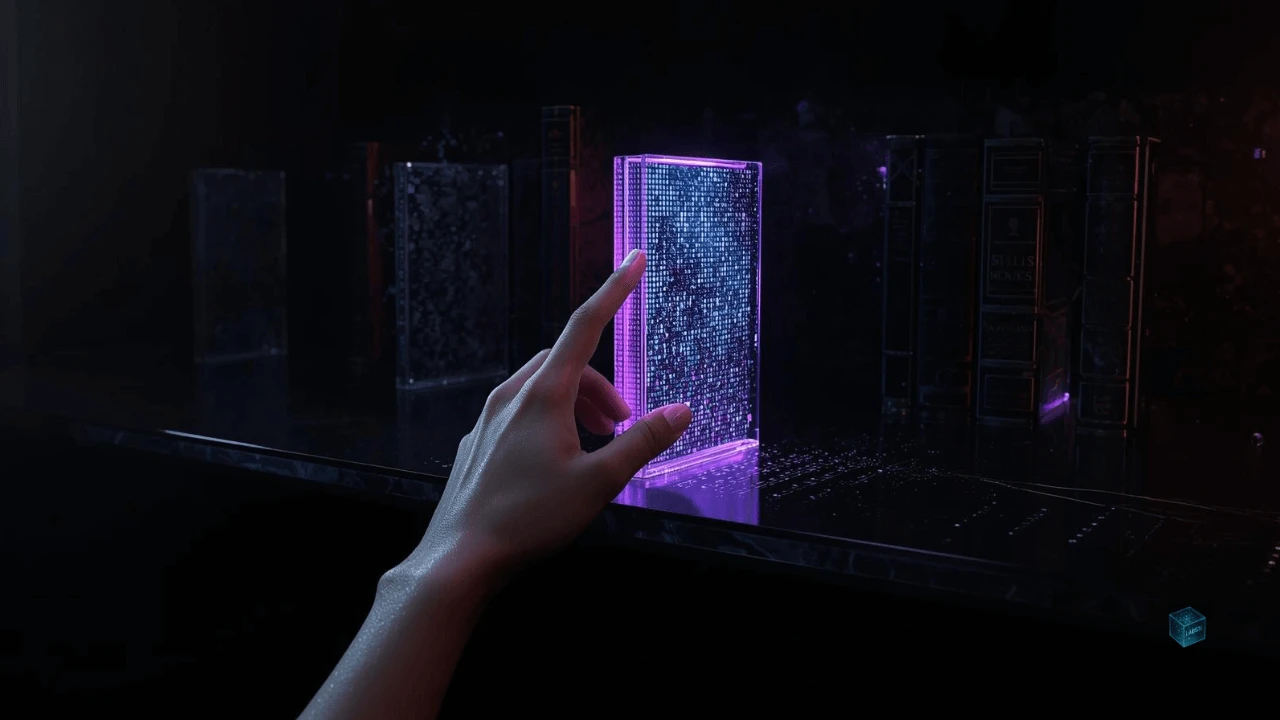
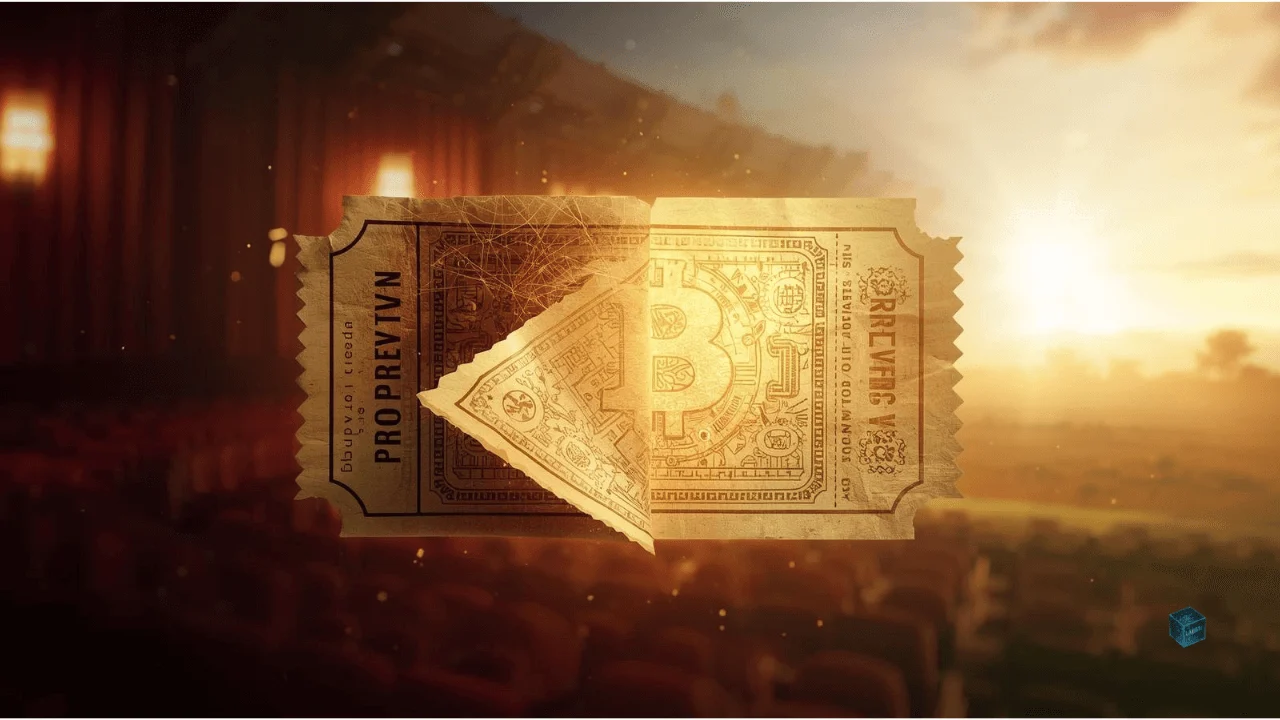
For the last 15 years, buying a digital game has been like buying a movie ticket. You pay your fee, you get a seat, and you can enjoy the show as long as the theater is open. But you can’t take the seat home. You can’t reupholster it, sell it to a friend when you’re done, or lend it out for a week. The studio (or platform holder) owns the theater, and your access is entirely at their discretion.
Blockchain flips this model. It turns your movie ticket into a deed.
When you buy a blockchain-based game or in-game item, the transaction isn’t just logged in a corporate database in Seattle or Tokyo. It’s recorded on a secure, public ledger—the blockchain—and you are given a unique, unforgeable digital token that acts as your proof of ownership. This is your deed. It’s yours. Not Valve’s, not Sony’s, not Nintendo’s. Yours.
This isn’t just theoretical. Games like Gods Unchained have built entire economies around this. When you earn a powerful card there, it’s not just data in their game. It’s an asset in your personal crypto wallet. You can trade it, sell it on a third-party marketplace, or hold onto it knowing that even if the developers vanished tomorrow, your proof of ownership wouldn’t. You’re not renting a seat; you own the chair, and you have the legal-looking document to prove it.
The Living Inventory: Player-Driven Economies That Breathe
Ownership is one thing. But what do you do with it? This is where the magic happens. True ownership creates economies that feel less like a corporate vending machine and more like a bustling, player-run bazaar.
Think of the most vibrant market in a game like World of Warcraft or EVE Online. Now, imagine if every single item in that market had a verifiable, un-fakeable history. That’s the power of blockchain.
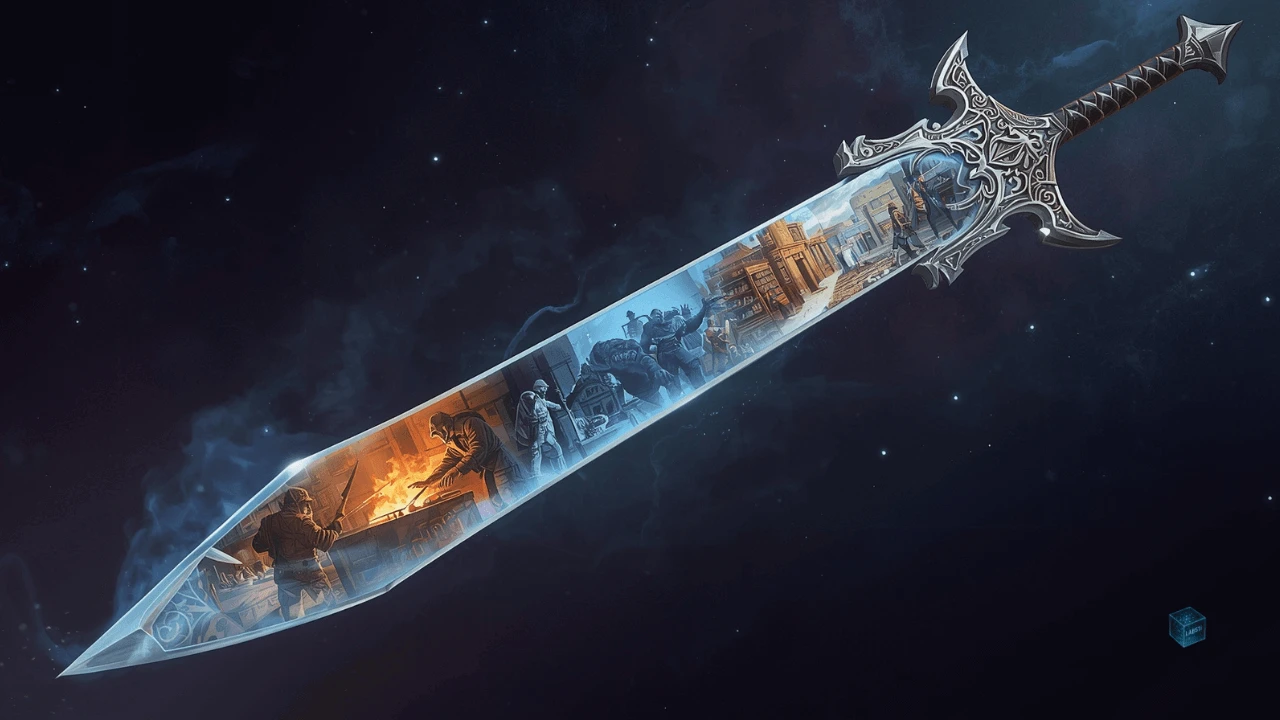
I spoke with a player from a rising MMO, ChronoForge. She told me about “The Whisperblade,” a legendary sword she didn’t just buy from a shop. She tracked its provenance. The token showed it was first forged by a legendary blacksmith player known as “Hephaestus,” used to slay the game’s first world boss by a guild called “The Dawn Vanguard,” and then sold through three different owners before she acquired it.
“That sword isn’t just stats,” she said. “It’s a story. It has a legacy. I’m not just equipping a weapon; I’m becoming the next chapter in its history. And if I ever decide to sell it, that entire legendary history is part of its value.”
This creates a depth of engagement that raw power creep never could. Players aren’t just consumers; they are curators, historians, and investors in the world’s lore. The economy isn’t just about gold and silver; it’s about prestige and narrative.
Composability: When Your Sword Can Be a Key
Perhaps the most mind-bending concept blockchain introduces is “composability.” In simple terms, it means your digital assets aren’t locked in one game. They can be programmed to have utility across multiple, separate virtual worlds.
Let’s stretch our analogy. Imagine you buy a unique, beautifully designed coffee mug from a local artist. In the “Theater Model” of gaming, that mug only works in your kitchen. In the blockchain model, that same mug could be:
- A health potion in a fantasy RPG.
- A rare cosmetic hat in a social space like Fortnite.
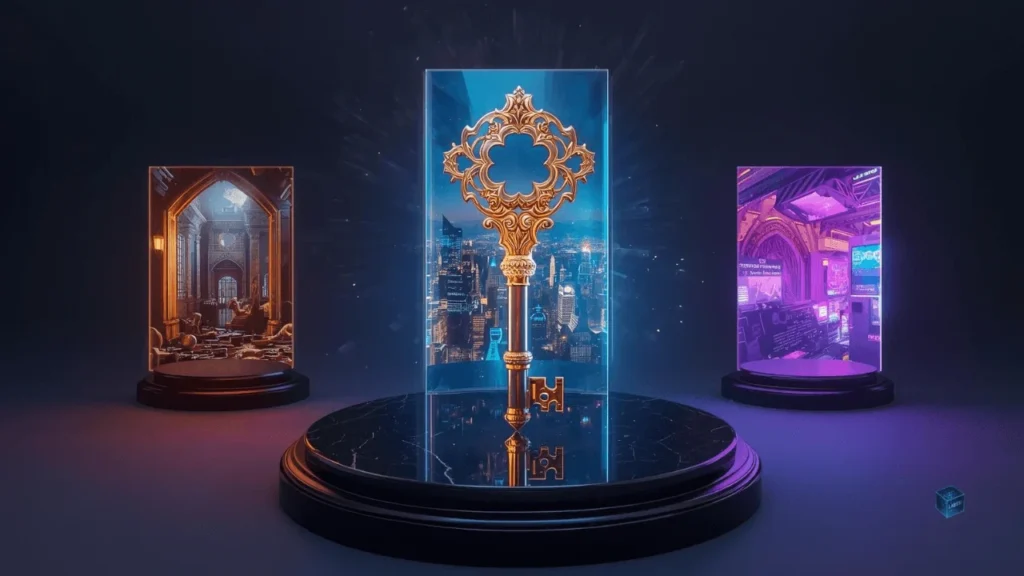
- The key to a secret room in an entirely different puzzle game.
The asset is yours, and developers can choose to recognize its value and utility in their own worlds. We’re seeing the early sprouts of this with projects like the OpenSea marketplace, where avatars and items purchased for one project are being given utility in others.
This shatters the concept of “walled gardens.” Your digital identity and property are no longer prisoners of a single platform. They become a portable portfolio of your adventures, your tastes, and your history as a gamer.
The Human Hurdles: It’s Not All Pixels and Profit
Of course, this revolution isn’t happening on a perfectly paved road. The path is littered with very human challenges.
The Speculator Problem: The first wave of “play-to-earn” games was often dominated by speculators, not players. The joy of the game was secondary to the grind for a paycheck. This created toxic, volatile economies and alienated people who just wanted to have fun. In 2026, the successful projects are those that have learned this lesson. The mantra is now “play-and-earn,” where the fun is primary, and the ownership economy is a rewarding layer on top, not the entire foundation.
The Green Question: “But isn’t blockchain terrible for the environment?” This was a valid and damning criticism for the old “Proof-of-Work” systems. But the technology has evolved. The vast majority of gaming blockchains now use “Proof-of-Stake” or other consensus mechanisms that are astronomically more energy-efficient—often using less power per transaction than a single Google search. The industry heard the concern and engineered a solution.
The UX Nightmare: Let’s be honest: “seed phrases,” “gas fees,” and “non-custodial wallets” are not user-friendly terms. For years, this was the biggest barrier to entry. But in 2026, the technology is finally becoming invisible. New games are integrating “smart wallets” that create themselves when you sign up, abstracting away the cryptographic complexity. The ownership is still there, under the hood, but the experience is as smooth as any traditional login.
The Horizon: What Are We Really Building?
So, where does this leave us? We’re standing at the edge of a new digital continent, and we get to decide what we build there.
This isn’t just about making money from digital swords. It’s about re-establishing player sovereignty. It’s about creating digital heirlooms you can pass on. It’s about building worlds where the players have a tangible, lasting stake—not just in the gameplay, but in the economy and history of the world itself.
The next time you click “buy” on a game, ask yourself: Am I renting a memory, or am I planting a flag? Am I purchasing a temporary experience, or am I investing in a digital legacy?
The technology is no longer the question. The question, as it always has been in gaming, is what we choose to do with it. The ghost is out of the machine, and it’s handing us the keys. The real game is about to begin.
FAQ
Frequently Asked Questions
It’s a new type of gaming where your in-game items and assets are truly owned by you as digital tokens on a blockchain, rather than being licensed from a game company.
Traditional digital games are like renting – the company can revoke your access. Blockchain ownership is like having a deed – the items are yours permanently, even if the game shuts down.
Not necessarily. New games in 2026 are making the technology invisible with automatic wallets and simplified interfaces, focusing on gameplay first.
This has improved significantly. Most gaming blockchains now use eco-friendly “Proof-of-Stake” systems that use minimal energy – often less than a Google search.
Yes, but the focus has shifted from “play-to-earn” to “play-and-earn” – where fun comes first, and earning is a bonus layer rather than the main goal.
You keep your assets! Since they’re stored in your personal wallet, not the company’s servers, you maintain ownership and can potentially use them in other games.
The early ones were, but modern blockchain games prioritize engaging gameplay. The ownership features enhance the experience rather than replacing it.
This is becoming possible through “composability” – where developers agree to recognize each other’s assets, letting your sword from one game become a key in another.
Much easier now. Games handle the technical setup automatically, so you can focus on playing while still benefiting from true ownership.