
Table of Contents
The Soloist’s Symphony: How Generative AI is Composing a New Era for Small Business
Maybe last time you stared at a blank screen, the cursor blinking mockingly. You needed a website bio that didn’t sound like a robot wrote it. A social media post that would actually stop the scroll. An email subject line that people would want to open. For small business owners, this silent battle with creative block isn’t just frustrating—it’s expensive. Every minute spent wrestling with words is a minute not spent serving customers or refining your product.
What if you had a creative partner who never slept, never ran out of ideas, and could draft a year’s worth of content before your morning coffee cooled? This isn’t a distant fantasy. Generative AI is that partner, and it’s not just changing the marketing game; it’s handing the playbook to the soloists and small teams who once couldn’t afford to compete.
From Scrappy Underdog to Scalable Contender
For decades, marketing has been a game of resources. Big corporations had agencies, copywriters, and graphic designers on retainer. The local bakery, the independent consultant, or the fledgling Etsy maker had grit, a vision, and… a smartphone. The playing field was anything but level.
Think of traditional small business marketing like painting a massive mural with a single, tiny brush. The vision is there, but the execution is painstakingly slow. Generative AI doesn’t just hand you a bigger brush; it hands you a team of assistants who can sketch the outline, mix the paints, and even fill in entire sections based on your direction. You remain the artist—the visionary—but the tedious, time-consuming work is amplified at a scale that was previously unimaginable.
This is the fundamental shift. AI is democratizing creative leverage. It’s turning the solopreneur into a creative director and the small team into a full-scale content studio.
The End of the Blank Page: Hyper-Personalization at Scale
The most profound change is the death of the “one-size-fits-all” broadcast. We’ve all felt the cringe of an email that starts with “Dear Valued Customer.” It’s the marketing equivalent of a limp handshake.

Generative AI obliterates this. By analyzing customer data (with permission, of course), AI can dynamically create thousands of unique marketing assets.
- Example: Imagine a local bookstore. Instead of one monthly newsletter, their AI tool generates personalized emails for different customer segments. For the customer who only buys sci-fi, the subject line might be, “New Arrivals in a Galaxy Not So Far Away…” and highlight the latest space operas. For the parent who buys children’s books, it could be, “Spark Your Child’s Imagination with These New Adventures.” The core message is the same—”we have new books”—but the presentation is a personal conversation.
This isn’t just segmentation; it’s conversational marketing at scale. It’s the digital equivalent of the shop owner who remembers your name and your favorite genre. For the first time, small businesses can build the kind of personal, loyal relationships that were once their only advantage over big box stores, but now they can do it with thousands of customers simultaneously.
The 10x Content Engine: Quality, Quantity, and Consistency
“Content is king,” but for the small business owner, creating it often feels like a tyrannical regime. You’re expected to be a blogger, a videographer, a graphic designer, and a social media manager—all while actually running your business.

Generative AI acts as a force multiplier for each of these roles:
- The Blog Post Architect: Stuck for ideas? Ask an AI to generate a list of 50 blog topics tailored to your ideal customer. Have a rough idea? Feed it a few bullet points and let it draft a coherent, well-structured 800-word article that you can then infuse with your unique voice and stories.
- The Social Media Juggernaut: Need to repurpose that blog post? An AI can instantly turn it into a Twitter thread, a LinkedIn article, five Instagram captions, and a script for a short TikTok video. It ensures your message is consistent across all platforms without you having to reinvent the wheel each time.
- The Visual Co-Pilot: With AI image generators, the local coffee shop can now create stunning, unique artwork for its “Latte of the Month” social post without hiring a photographer. The handmade soap company can generate beautiful, on-brand product concept images before even sourcing the materials.
The result isn’t just more content; it’s a consistent, always-on brand presence that keeps you top-of-mind without burning you out. The rhythm of your marketing goes from a sporadic drumbeat to a steady, compelling pulse.
The Strategy Shift: From Doer to Director
This all sounds miraculous, so what’s the catch? The catch is that the value is no longer in the mere execution of tasks, but in the strategy and refinement behind them.
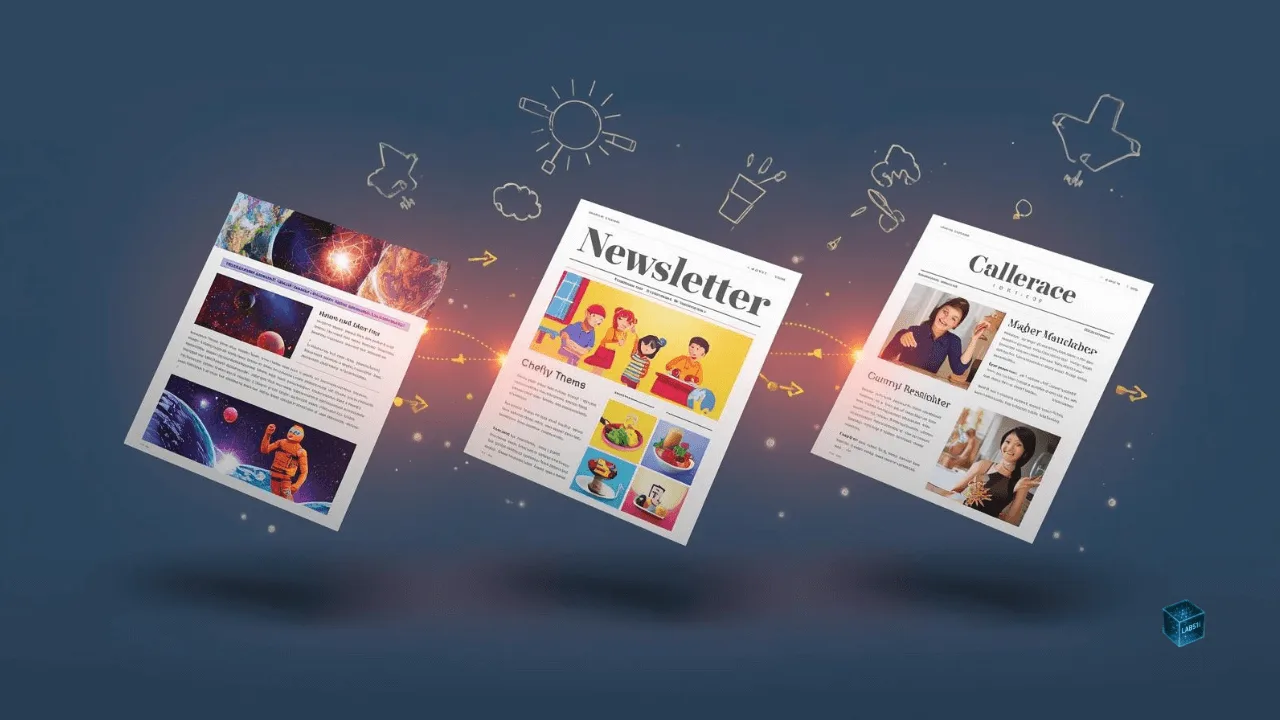
AI is a brilliant junior assistant, but it lacks your soul, your stories, and your specific customer knowledge. Its first draft might be grammatically perfect, but it could lack the quirky humor that your customers love. Its generated image might be visually striking, but it might not perfectly capture the warm, handmade feel of your product.
This is where your role evolves. You are no longer the person painstakingly painting each brick of the mural. You are the curator, the editor, the quality controller. You are the one who takes the AI’s output and asks:
- “Does this sound like us?”
- “Will this joke land with our audience?”
- “Does this image reflect our brand’s values?”
You provide the “why,” and the AI handles the “how.” The most successful small business marketers of the future will be those with impeccable taste, a clear brand voice, and the strategic vision to guide their AI tools. The tool eliminates the friction of creation, but it can’t replace the intent behind it.
Conclusion: The Human Touch, Amplified
There’s a fear that AI will make marketing sterile and homogenized, that every brand will start to sound the same. The opposite is true. By automating the generic, we free up our most precious resource—time and creative energy—to focus on what truly makes a small business unique: the human connection.
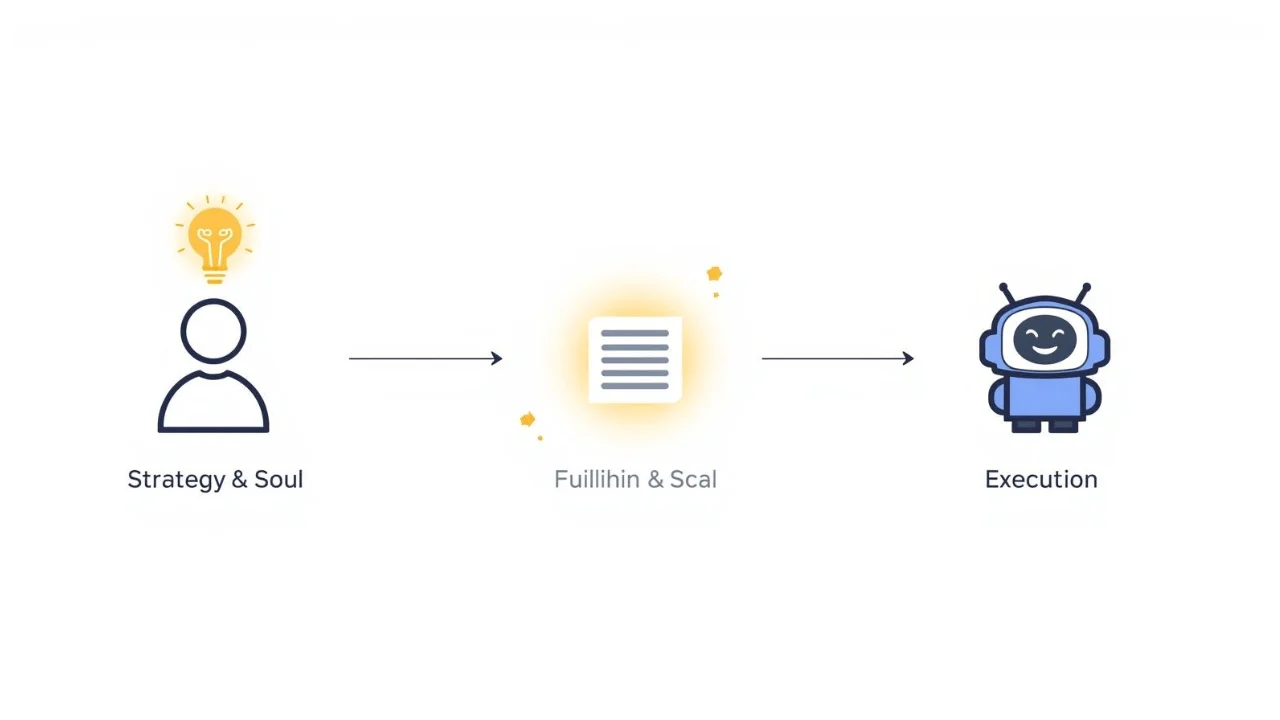
The local baker can now use the hours she saved on writing social posts to host a baking class, creating a memorable experience for her community. The consultant can spend less time drafting proposal templates and more time building genuine rapport with clients.
Generative AI is not a replacement for your passion, your story, or your expertise. It is the amplifier. It’s the tool that finally allows the soloist to conduct a symphony, turning a single melody of an idea into a rich, multi-layered composition that can fill a concert hall.
So the next time you face that blinking cursor, don’t see it as a void. See it as the starting point of a collaboration. Your vision, your voice, your business—now with a powerful new partner ready to help you build your legacy. The future of small business marketing isn’t about machines taking over; it’s about finally having the tools to let your humanity shine brighter than ever.
FAQ
Frequently Asked Questions
It’s a digital tool that creates original text, images, and ideas based on your instructions. Think of it as a brainstorming partner that never gets tired.
Not at all. Many powerful tools are incredibly affordable, often costing less per month than a single lunch outing, making them a game-changer for tight budgets.
It can, if you use generic prompts. The secret is to add your unique voice and details. AI gives you a first draft; you add the soul and make it sound like you.
Begin with one task you dislike, like writing social media captions or email newsletters. Use a simple tool like ChatGPT or Canva Magic Write to get immediate results.
No. If you can send a text message or use a search engine, you have the skills needed. The interfaces are designed to be as simple as having a conversation.
The main risk is publishing AI content without fact-checking or adding your own touch. Always review and personalize everything it generates.
Absolutely. Most users save hours each week by automating repetitive writing and design tasks, freeing them up to focus on strategy and serving customers.
No. It’s a tool that handles the tedious work, allowing you to focus on what humans do best: creative strategy, building relationships, and making big-picture decisions.

