Table of Contents
Robotics in Everyday Life: From Home Helpers to Workplace Partners in 2026
What if your vacuum cleaner had opinions? What if your office assistant didn’t just schedule your meetings—but also reminded you to breathe between them?
Welcome to 2026, where robotics has quietly—and sometimes cheekily—woven itself into the fabric of daily life.
Just a decade ago, robots were still treated like science fiction cameos: shiny, clunky, impressive but impractical. Today, they’re housemates, colleagues, and even creative partners. The line between human and machine contribution has blurred—not in a dystopian way—but in a surprisingly human one.
This isn’t the age of robots replacing us. It’s the age of robots working with us.
1. The Rise of the Domestic Sidekick
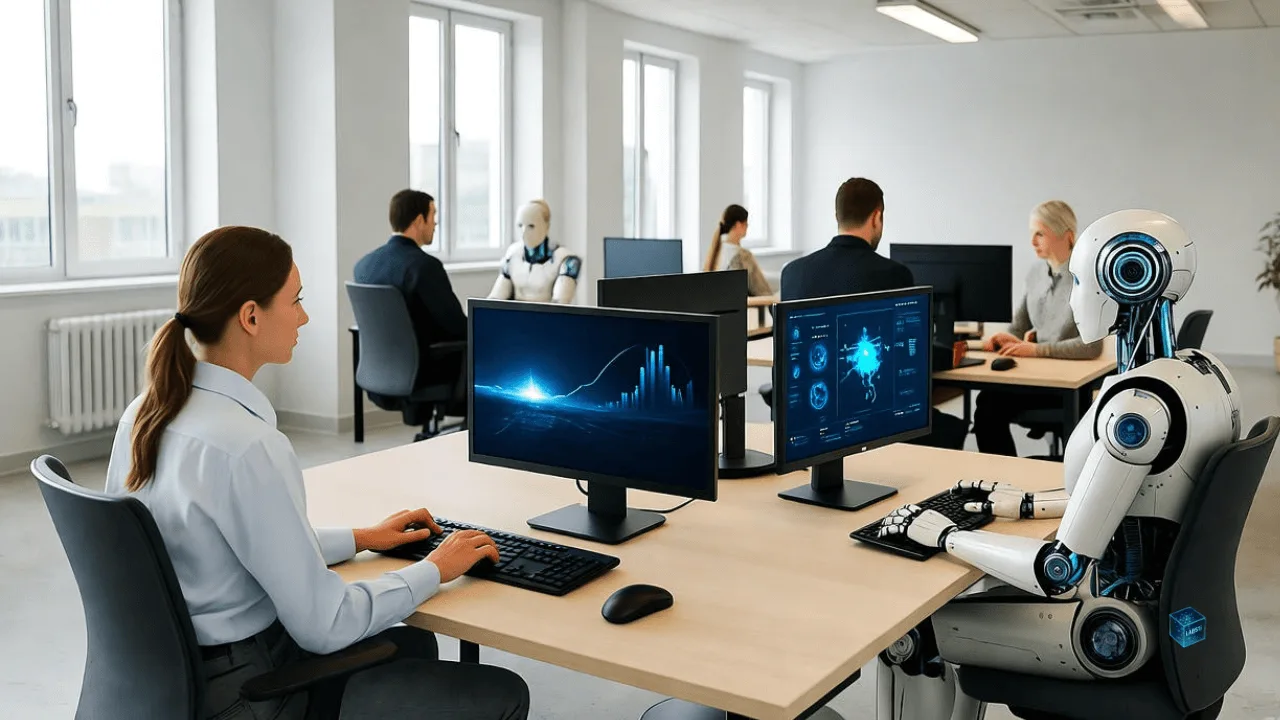
Remember when Roombas were the height of household robotics? Cute, circular devices that bumped into walls and got stuck under sofas? Fast forward to 2026, and your home likely has a whole robotic ecosystem—a small army of specialized helpers.
There’s Ava, the AI kitchen assistant who learns your spice preferences and suggests recipes based on what’s in your fridge. Or Lumo, the smart floor-cleaner that syncs with your schedule and even alerts you if it detects spills or allergens.
These aren’t just tools; they’re responsive companions that evolve with your habits. In fact, according to a 2026 report by TechLiving, over 48% of urban households in developed nations now employ at least one multi-function home robot.
What’s fascinating is why we love them. It’s not about laziness—it’s about time. Robots are giving us the gift of attention. By automating chores, they’re returning hours to our day that were once lost to drudgery. Hours we can spend with family, on art, or just being still.
It’s automation, yes—but it’s also liberation.
2. The New Office Colleague: AI and Robots in the Workplace
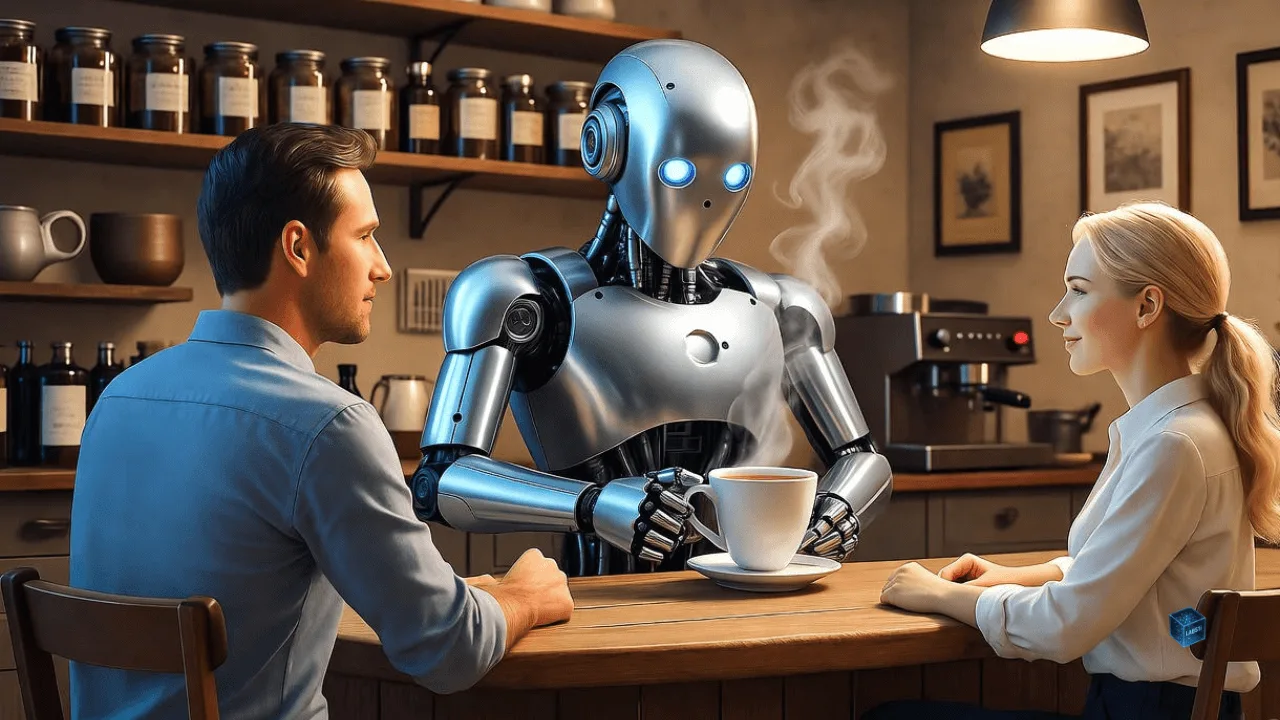
Imagine walking into your office and being greeted not by a human receptionist, but by a soft-spoken robotic assistant who remembers your favorite coffee order.
That’s not futuristic—it’s Tuesday.
In 2026, robotics has revolutionized workspaces far beyond manufacturing lines. From AI-powered logistics bots in warehouses to collaborative robots (“cobots”) in design and healthcare, machines are no longer confined to mechanical tasks. They’re participating in creative and emotional labor too.
Take Kumo, an AI-driven design collaborator used by digital agencies. It can generate hundreds of layout options, learn from team feedback, and suggest design variations based on emotional tone. Or MedAssist, a surgical robot that supports real-time diagnostics while assisting surgeons with sub-millimeter precision.
But perhaps the most striking change is cultural. Robots aren’t replacing teams—they’re joining them. Offices are learning to treat robotic systems not as threats, but as teammates with different strengths.
Human empathy meets machine efficiency. Creativity meets precision.
The myth that “robots will take our jobs” has given way to a new truth: robots will reshape our jobs.
The winners of 2026 are those who learn to collaborate, not compete.
3. Robots in Small Business: The Great Equalizer
Here’s a truth that often gets buried in tech headlines: robots aren’t just for corporations anymore.
Small business owners—those running cafes, farms, retail shops, or workshops—have quietly become one of the biggest adopters of robotics.
Why? Because AI-driven robots now offer affordable leverage.
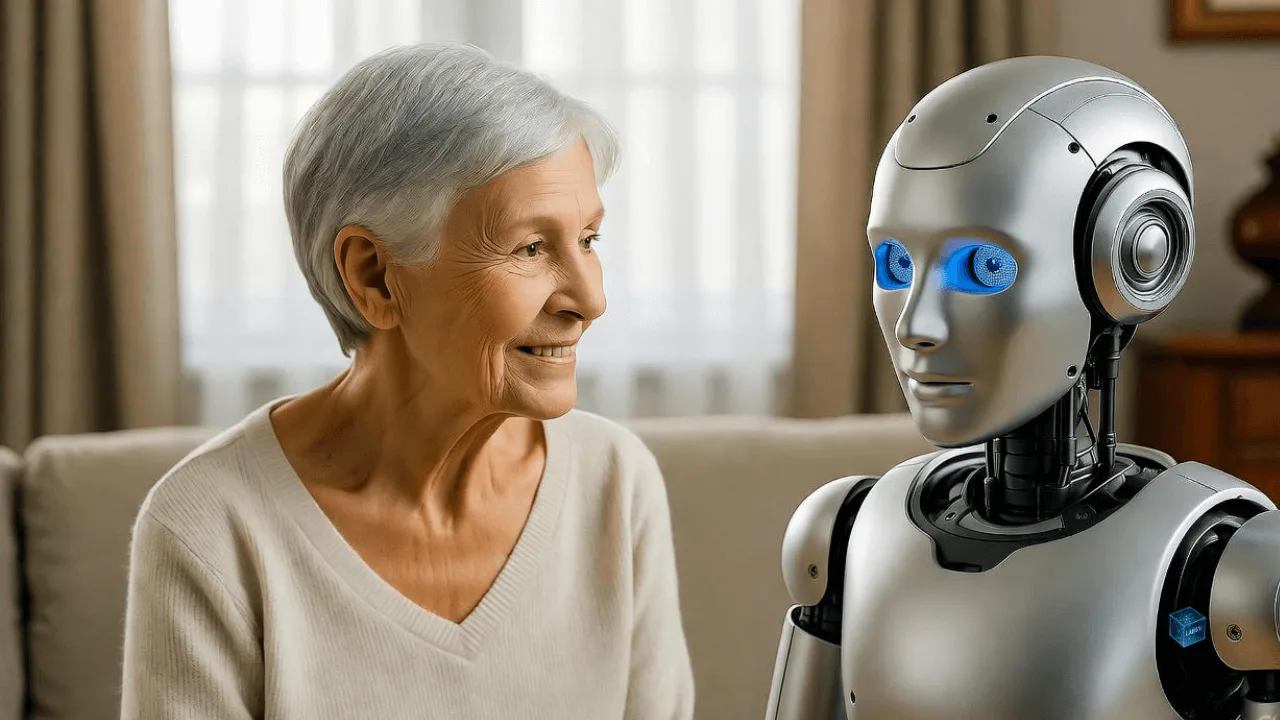
Picture a small coffee shop in Kuala Lumpur using a barista robot to handle the morning rush while the owner greets customers. Or a local boutique using a stockroom bot to manage inventory overnight. Or even a small construction firm deploying compact robo-inspectors to scan for safety issues.
These aren’t luxury gadgets—they’re partners that scale productivity without scaling payroll.
For many entrepreneurs, robots aren’t about replacing staff but about making small teams superhuman.
And here’s the beautiful irony: while we once feared robots would dehumanize business, they’re actually making it more human.
With repetitive tasks automated, small business owners can focus on storytelling, customer relationships, and creativity—the parts that truly matter.
4. Emotional Robotics: Companionship in the Age of AI
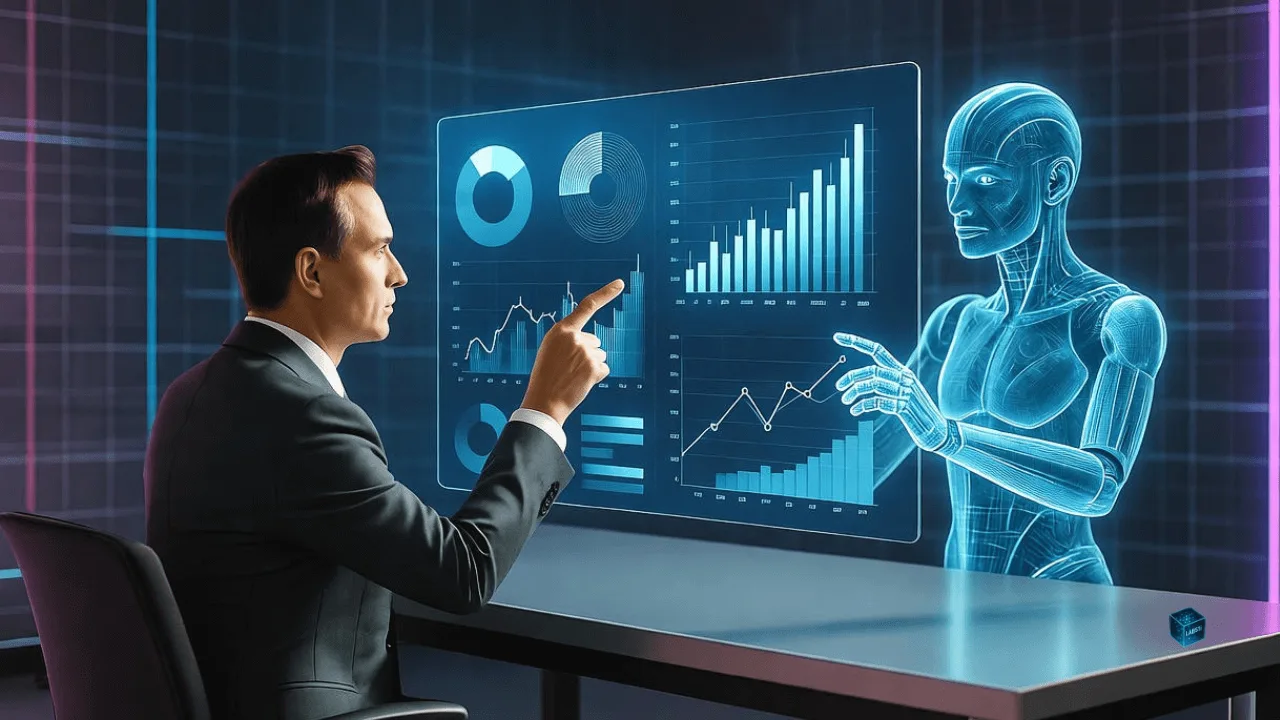
Now, let’s talk about something that’s both touching and controversial: emotional robotics.
In 2026, robots aren’t just cleaning your house or filing reports—they’re offering comfort.
Elderly care homes now use empathetic robots like Mira, designed to detect loneliness and initiate gentle conversation. For people living alone, companion bots with expressive faces and adaptive personalities help fill the social gaps that modern life often leaves open.
Some critics argue that emotional robots dilute human connection. But for many, they provide a bridge—a reminder of warmth and presence when isolation creeps in.
It’s not about replacing humans. It’s about ensuring no one feels invisible.
And surprisingly, many users report that these robots encourage more human connection by improving mood and confidence. A kind of emotional tuning fork, helping us re-engage with the world.
5. Creativity, Writing, and the “Robot Muse”

Here’s a paradox that writers and artists have come to embrace: AI can be both muse and mirror.
Aspiring novelists now collaborate with “story-assist” robots that suggest plot arcs or help develop dialogue based on emotional tone. Musicians jam with AI companions that generate spontaneous melodies. Even philosophers use AI models to test thought experiments and debate moral questions.
Of course, creative purists raise valid concerns: Does art lose its soul when a machine co-writes it?
But the truth is subtler. In 2026, creativity has become a collaborative act between human intuition and machine insight.
Robots don’t replace imagination—they provoke it.
The best artists of this era aren’t those who resist AI, but those who learn to dance with it.
6. The Ethics and Boundaries of Everyday Robotics

With every leap forward, new questions emerge.
Who’s responsible when a delivery bot causes an accident? How much data does your domestic robot collect about your habits? Can emotional AI manipulate human feelings?
These questions aren’t science fiction—they’re dinner-table conversations in 2026.
Regulators are racing to catch up, but so are ethicists, philosophers, and ordinary citizens. The challenge isn’t just technical—it’s moral.
Because as robots become more like us, we have to ask: what does it mean to be human?
The answer may not be binary. Perhaps humanity is less about what we do, and more about how we relate—to each other, and now, to the machines we’ve created.
Conclusion: The Human Touch in a Robotic World
Let’s return to that first question: What if your vacuum cleaner had opinions?
It turns out, it doesn’t matter if it does.
What matters is how we respond.
The story of robotics in 2026 isn’t about machines taking over—it’s about machines giving back.
They clean our homes, assist our work, comfort our elders, and even challenge our creativity. But the real magic isn’t in the circuits or algorithms—it’s in how these technologies reflect the best of us: our curiosity, compassion, and desire to make life just a little easier, a little richer.
Robots haven’t made life less human. They’ve made us rethink what being human really means.
FAQ
Frequently Asked Questions
Not entirely. They’re reshaping roles—taking over repetitive tasks while freeing humans to focus on creativity, strategy, and connection.
Thanks to mass production and AI-driven efficiency, entry-level home robots are as affordable as mid-range smartphones.
Logistics, healthcare, retail, education, and small business automation have seen the most visible transformation.
That’s still debated. Many see them as therapeutic tools, while others warn of emotional dependency or manipulation risks.
Start small—automate one routine task, analyze the impact, then expand gradually based on productivity and customer response.
Expect deeper human-machine collaboration: adaptive learning robots, ethical AI governance, and robots with nuanced empathy models.